
Faransiiska wuxuu ku guuleystay xilli guud oo cabsi badan oo ka horreeyay taariikhda
Wasiirka deegaanka Faransiiska, Monique Barbut, ayaa sheegtay in xilliga guud ee 2026 uu yahay midka ugu qabow ee la xaqiijiyay tan iyo markii la bilaabay qiimaynta sanadkii 1900-kii, iyadoo qiyaastii 3.6°C ka sarreeysa heerka dhaqanka.
Xaqiiqooyinka cabbirka iyo xilli guud
Xilliga guud ee 2026-kii waxaa la xaqiijiyay inuu yahay midka ugu qabow ee la xaqiijiyay tan iyo 1900-kii, iyadoo qiyaastii 3.6°C ka sarreeysa heerka dhaqanka, halka xilliga 2003-kii uu ahaa midka ugu sarreeyay tan iyo markii la bilaabay qiimaynta.
Waxaa sidoo kale jiray xilliyo qabow oo ka baxay xilliga guud, sida May-kii hore iyo September-kii hore, taas oo muujinaysa in isbeddelka cimiladu uu sii kordhinayo dhaqdhaqaaqa cimilada.
Dabagacaynta iyo xilli guud
Xilliga guud ee 2026-kii waxaa jiray 53 maalmood oo dabagacayn ah, taas oo ka badan 33 maalmood ee xilliga 2022-kii, iyadoo xilliga guud uu ahaa midka ugu qabow ee la xaqiijiyay tan iyo 1900-kii.
Dabagacayntu waxay ku dhacday meelo badan oo Faransiiska ah, iyadoo qof kasta oo ka badan 45 sano jir ah uu ku dhintay xilliga guud, iyadoo 2,025 qof oo kale ah ay ku dhinteen dabagacaynta.
Qorshayaasha cusub ee deegaanka
Raisulwasaare Sebastien Lecornu wuxuu amray wasiirka deegaanka Monique Barbut inay soo saarto tallaabooyin cusub oo loo qorsheeyay inay si degdeg ah uga hortagaan isbeddelka cimilada, iyadoo Barbut ay sheegtay inay soo saari doonto qorshe dhaqaale oo shan sano ah.
Barbut waxay sheegtay in xilliga guud ee 2026-kii uu yahay midka ugu qabow ee la xaqiijiyay tan iyo 1900-kii, iyadoo xilliga guud uu ahaa midka ugu qabow ee la xaqiijiyay tan iyo 1900-kii.
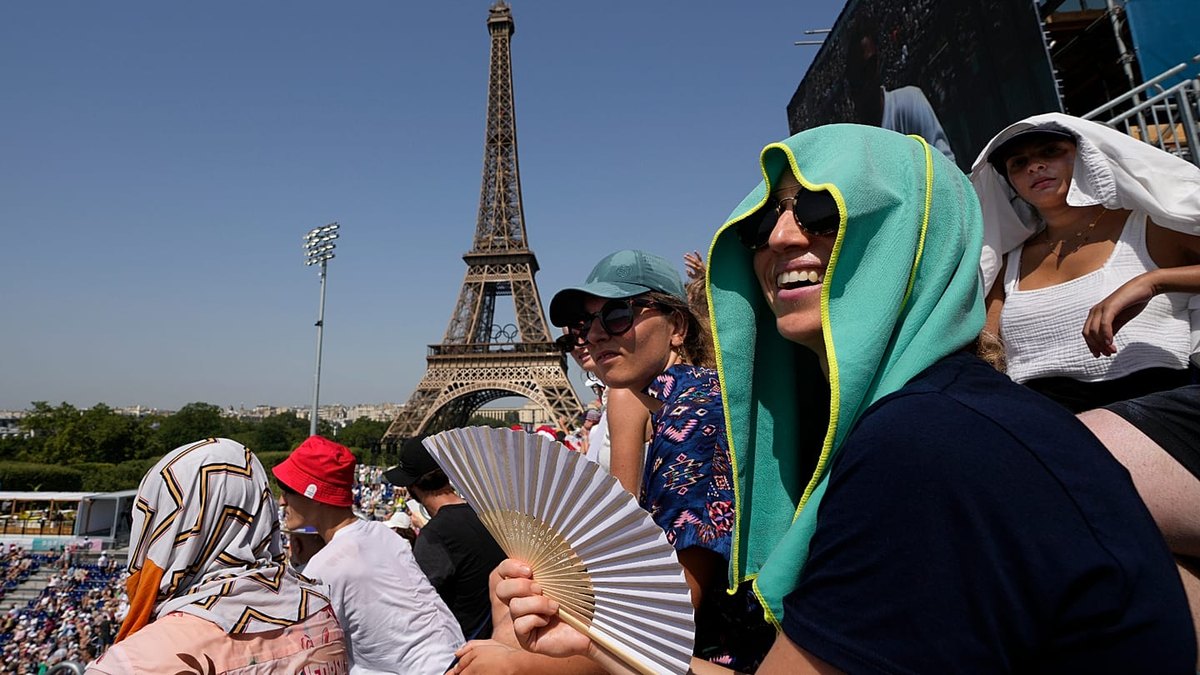
France has endured its hottest summer since measurements began in 1900, with an average temperature of 24 °C — 3.6 C above normal — and 53 heatwave days across three episodes, according to Environment Minister Monique Barbut.
Unprecedented Heat and Drought
The summer of 2026 was not only the hottest on record but also one of the driest, with rainfall falling nearly 40% below average, making it the second driest summer since records began. Record-breaking ocean temperatures were logged along all of mainland France and Corsica's coastlines, while extreme heat also struck outside the summer months, including in May and early September.
Millions across western and southern Europe — including France, Italy, Spain and the UK — experienced extreme temperatures this season. Scientists say Europe is the world's fastest-warming continent, with temperatures rising at twice the global average since the 1980s, according to the EU's Copernicus Climate Change Service.
Deadly Heatwaves and Wildfires
France saw an unprecedented 2,025 excess deaths during the heatwaves, with a sharp rise in fatalities among people over 45, French Health Minister Stephanie Rist said. A historic fire near Bordeaux forced a quarter of a million people to evacuate, while wildfires also ravaged normally cooler and wetter regions in the north and Brittany.
Three major heatwave episodes struck the country: one in late June that set a new intensity record, another from late July into August matching a 23-day record from 1983, and a third that pushed the total to 53 days — far exceeding the 33 days recorded in 2022.
Government Response and Climate Adaptation
Prime Minister Sebastien Lecornu tasked Environment Minister Monique Barbut in late July with presenting new measures to accelerate France's national climate change adaptation plan. Barbut promised conclusions by the end of September, including a five-year funding plan to strengthen the country's resilience to extreme weather.
"The summer of 2026 will go down in history," Barbut said. "The question we must now ask ourselves is how it will be remembered — as the first in a long series of summers that continue to break records, or as a moment when we rose to the challenge of adaptation and mitigation, by reducing greenhouse gas emissions."