
Hadalka Maraykanka iyo Iran ee New York: Maxaa ka dhacay khudbadda Qaramada Midoobay?
Waxaa socda hadal-hayn la xiriira dagaalka tobankii bilood ee u dhexeeya Maraykanka iyo Iran, iyadoo dhexdhexaadinta ay ka waddo Qatar, iyadoo wasiirka arrimaha dibadda ee Iran uu ka baxay New York kadib markii uu sheegay inuu sugayo jawaab rasmi ah oo ku saabsan qorshahiisa dib u furista geeska Hormuz.
Qorshaha Iran iyo Jawaabta Maraykanka
Wasiirka arrimaha dibadda ee Iran, Abbas Araghchi, ayaa sheegay in Tehran ay diyaarisay qorshe dib u furista geeska Hormuz, kaas oo ay ku jirto inay dib u furto geeska 7 maalmood gudahood, haddii Maraykanku ka qaado xadgudubka ciidamada iyo inay ka qaado qalabka dhaqaale ee la xiray. Qorshahan ayaa la gudbiyay Maraykanka bishii hore iyadoo dhexdhexaadinta ka waddo Qatar.
Trump ayaa la sheegay inuu diiday qorshahan, balse Araghchi wuxuu sheegay inaan la helin jawaab rasmi ah. Wuxuu sheegay in hadalka uu yahay mid 'sareysan' balse xaaladda Iran ma ahan mid isbedelay, isagoo sheegay in shuruudaha dib u furista geeska ay aad u cad yihiin.
Khilaafka ku saabsan barnaamijka nukliyeerka
Maraykanku wuxuu codsaday in la xaliyo dhammaan arrimaha, gaar ahaan barnaamijka nukliyeerka ee Iran, si isku mar ah, halka Tehran ay codsatay in dib loo furro geeska Hormuz iyo in la qaado qalabka dhaqaale ee la xiray, ka hor inta aan la hadlin arrimaha kale sida barnaamijka nukliyeerka.
Warbaahinta Maraykanka ayaa sheegtay in Trump uu diyaar u yahay inuu ka qaado qalabka dhaqaale ee la xiray, balse Trump wuxuu ku dooday in wararku yihiin 'dhagax' oo aan la xaqiijin karin, isagoo ku baaqay in warbaahintaasi ay ka saarto warbixinta.
Xaaladda Geeska Hormuz iyo Dagaalka
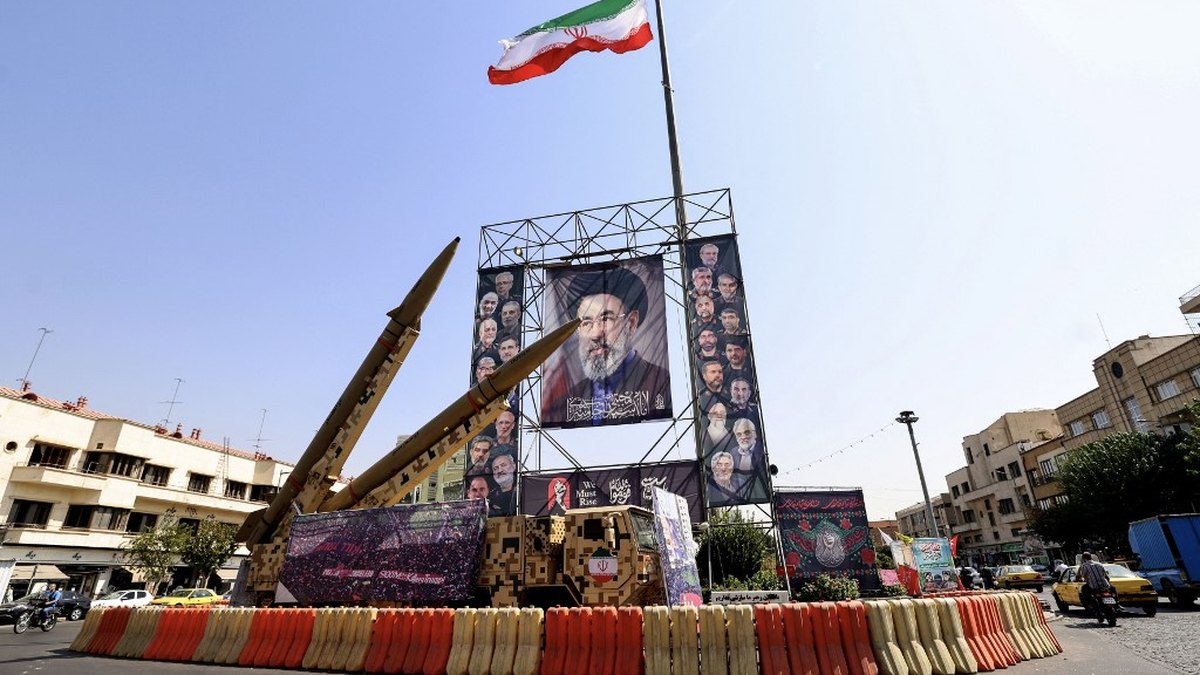
Geedka Hormuz waa meesha ay maraan hal tobanthii qaybaha dhaqaale ee adduunka, iyadoo dagaalku uu ka bilowday 28-kii February, kadib markii Maraykanka iyo Israel ay weerareen Iran. Iran waxay ku doonaysaa inay xaqiijiso inay ka hesho faa'iidooyin dhaqaale iyo amni, iyadoo aanay diyaar u ahayn inay dib u furto geeska ilaa la xaliyo shuruudaha ay ku qabato.
Waxaa jira warar sheegaya in Trump uu diyaar u yahay inuu weeraro Iran haddii aanay heshiis la gaarin, halka Araghchi uu sheegay in Tehran ay diyaar u tahay inay dib u bilaabato dagaalka, iyadoo xaaladdu ay noqotay mid adag oo aan la xalin karin.
Indirect US-Iran talks mediated by Qatar on the sidelines of the UNGA in New York have stalled over the order of negotiations, with Tehran demanding sanctions relief and Strait of Hormuz reopening before addressing its nuclear programme, while Washington insists on resolving all issues simultaneously.
Iran's Hormuz Proposal and US Rejection
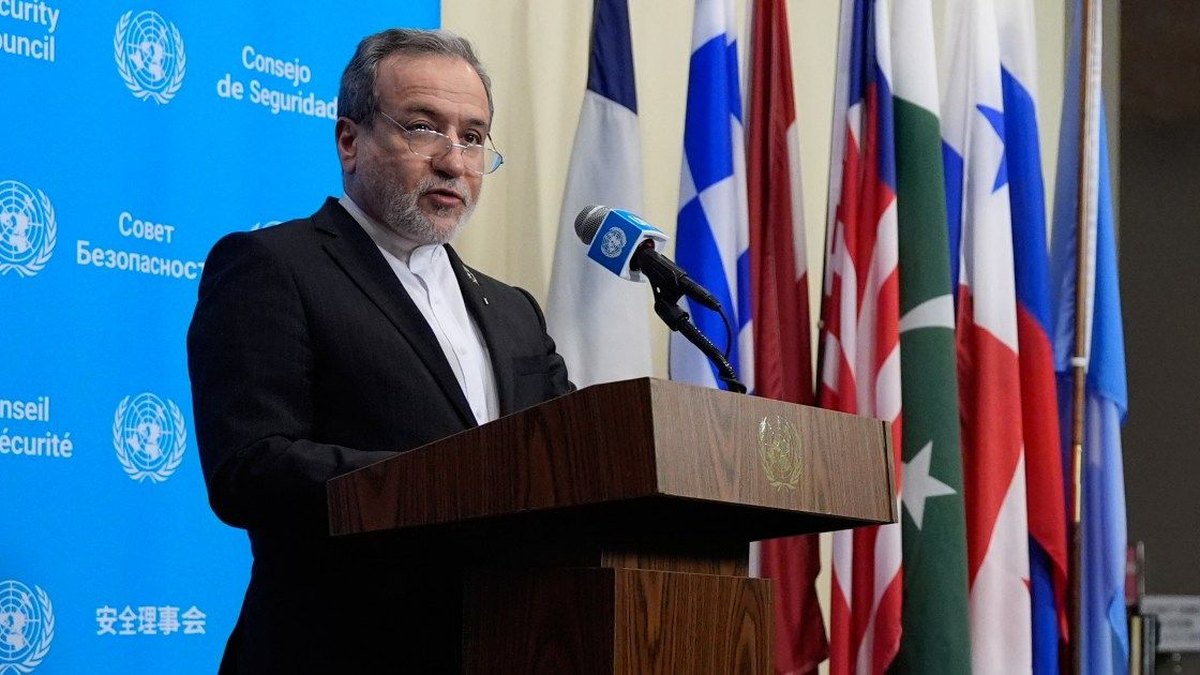
Iranian Foreign Minister Abbas Araghchi departed New York on Tuesday after telling state broadcaster IRIB he expected an official US response to Tehran's proposal to reopen the Strait of Hormuz by end of day. The proposal, first relayed to Washington via Qatari mediators last week, offered to reopen the strait within seven days in exchange for the US lifting its naval blockade, waiving sanctions, releasing an estimated $12bn in frozen Iranian assets, and enforcing a wider regional ceasefire that includes Lebanon.
Despite reports that President Donald Trump rejected the offer, Araghchi denied receiving a formal response and insisted negotiations remained focused solely on the strait. He stated that talks had become more serious but cautioned that Tehran's position had not changed, with no discussion of flexibility on its conditions for opening the waterway.
Divergent Negotiation Strategies
US officials say Washington wants a comprehensive deal that resolves all outstanding issues, particularly Tehran's nuclear programme, in one go rather than pursuing a gradual approach. A US official told The Associated Press that Trump is not willing to make a final peace deal until the nuclear issue is addressed, though he would consider sanctions relief and releasing some frozen funds if progress is made on the nuclear file.
The Islamabad memorandum of understanding, signed on June 17, originally gave Iran a role in managing the Strait of Hormuz, but the Trump administration pulled away from that framework. Professor Scott Lucas of University College Dublin told Al Jazeera that Washington effectively wants Iran to surrender, leaving both sides stuck in a diplomatic limbo with no immediate resolution in sight.
Economic Pressure and Escalation Risks
In August, the US announced sweeping new economic sanctions on Iran and trading partners, with Treasury Secretary Scott Bessent describing the campaign as the 'economic asphyxiation' of Iran. A study by The Lancet Global Health concluded that more than 564,250 people worldwide die annually as a result of US sanctions, severely affecting Iranians' access to essential medicines and healthcare.
Trump has continued to threaten Iran with further strikes if it does not agree to a deal, while Araghchi told NBC that Tehran is prepared to resume fighting. Analysts say the diplomatic standoff is unlikely to ease soon, with Iran determined to consolidate strategic gains from a war it did not start, including its ability to close the Strait of Hormuz through which one-fifth of the world's oil and natural gas is shipped.
Ilaha iyo xuquuqda sawirka
Sawir: Al Jazeera English Xigasho