Shirkaddu waxay damacaysaa inay caws-go'aan ka dhigto shidaal dib-u-dhallo si loo yareeyo ku-tiirsanaanta Middle East
Shirkadda Glas Energy waxay qorshaynaysaa warshad shidaal dib-u-dhallo ah oo $400 milyan ku kacaysa oo laga dhisayo Narrogin, 180 kiilomitir koonfur-bari ka xigta Perth. Mashruucu wuxuu kaashanayaa caws-go'aan si loo soo saaro shidaal aan cusbayn.
Qorshaha Warshada iyo Wax-soo-saarka
Glas Energy waxay rabtaa inay ka dhisto warshad ganacsi oo shidaal dib-u-dhallo ah oo ku taal Narrogin, 180 kiilomitir koonfur-bari ee Perth, waxaana lagu qiyaasaa $400 milyan. Goobtan Narrogin waxay u shaqaynaysaa sidii warshadda dhexe, horumariyayaashuna waxay eegeen meelo kale oo gobolka ah.
Nathan Carbone oo ka tirsan Glas Energy ayaa sheegay: "[We are] looking to turn roughly 70,000 tonnes of straw and straw residuals into about 20 million litres of low-carbon liquid fuels." Wax-soo-saarku waa 100 boqolkiiba shidaal la isku-daro karaa oo aan cusbayn.
Taageerada Maaliyadeed iyo Suuqa
Horumariyayaashu waxay dalbaday Clean Energy Future Fund, kaas oo maalgelin kara ilaa 50 boqolkiiba mashruuca. Carbone wuxuu yidhi: "It does finance up to 50 per cent and we will contribute the other 50, so it's by no means a handout".
Shirkadda KTrans waxay leedahay 150 xamuul-qaade oo WA ka shaqeeya, oo qaadata ilaa 1 milyan liitir bishii. Daniel Burrows wuxuu yidhi: "All of our trucks come with renewable diesel... It's got to be commercially viable".
Faa'iidada Dhexe iyo Xuquuqda Gobolka
Leigh Ballard, Madaxweynaha Shire of Narrogin, wuxuu xusay dhaqaale-goobeed: "One of the biggest things... is its circular economy". Carbone wuxuu caddeeyay in mashruucu u baahan yahay inuu ku sugnaado meel u dhow cuntada: "We need to be near the feedstock...".
Iskahorimaadka US-Iran wuxuu sababayaa isbeddel qiimo shidaal adduunka. Ballard wuxuu yidhi: "It's hugely important... not being held over a barrel. Being able to produce it locally...".
Glas Energy is developing a $400 million renewable diesel refinery in Narrogin, Western Australia, that will convert agricultural straw into low-carbon liquid fuel, aiming to reduce the nation's reliance on imported Middle Eastern oil amid volatile global energy markets.
A New Fuel Source from Agricultural Waste
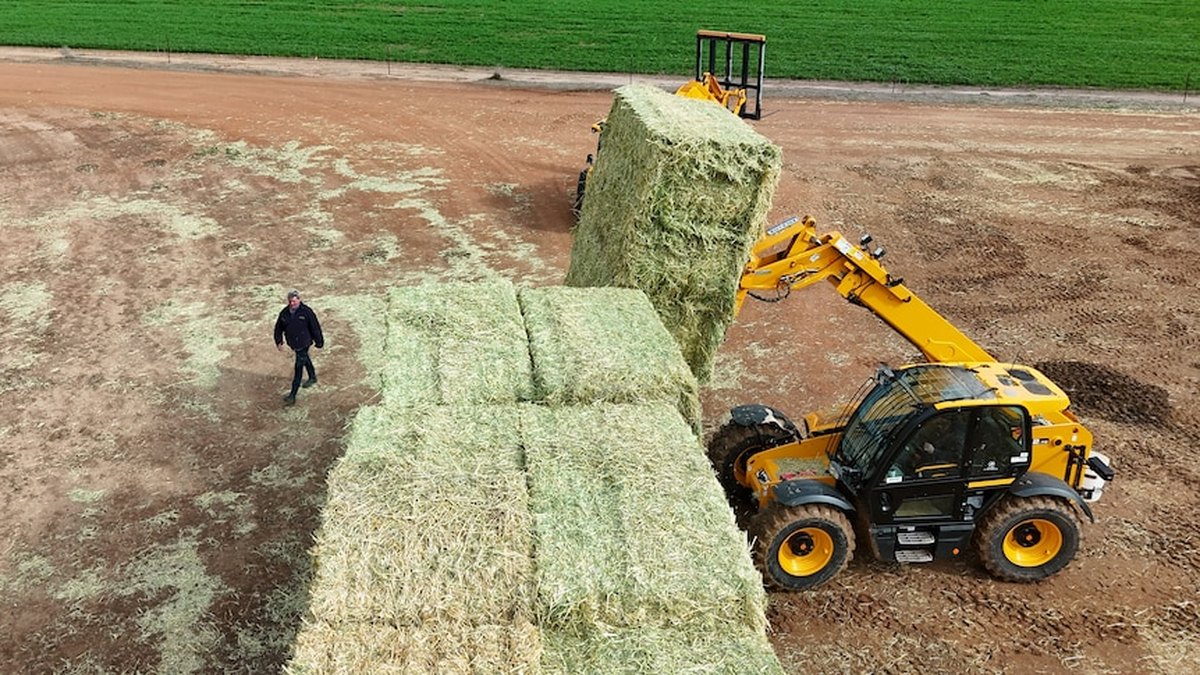
Glas Energy is constructing a commercial-scale renewable diesel refinery in Narrogin, located 180 kilometres south-east of Perth, with an investment of $400 million. The facility is designed to process approximately 70,000 tonnes of straw and straw residuals into roughly 20 million litres of low-carbon liquid fuel annually. The resulting product is described as a 100 per cent drop-in fuel that can be blended with existing diesel at any rate, making it compatible with current infrastructure without requiring modifications to engines or supply chains.
Nathan Carbone of Glas Energy emphasised that the project is not merely an environmental initiative but a strategic move to secure Australia's energy future. He stated that the refinery will produce a fuel that burns cleanly and can be integrated into the existing diesel network seamlessly. The company has applied for support from the Clean Energy Future Fund, which can finance up to 50 per cent of the project, with Glas Energy committing to contribute the remaining 50 per cent of the investment.
Industry and Local Government Back the Project
The Shire of Narrogin President, Leigh Ballard, welcomed the initiative, highlighting its circular economy model that transforms agricultural by-products into fuel and other farming products that can be returned to the farming system. Ballard noted that producing energy commodities locally would protect Australia from being held over a barrel by foreign conflicts, particularly as the US-Iran conflict continues to cause significant global oil price fluctuations.
KTrans, a Western Australian trucking company operating a fleet of 150 heavy haulage trucks with an estimated monthly fuel consumption of up to 1 million litres, has expressed interest in adopting the renewable diesel. General manager Daniel Burrows stated that while the company's trucks are equipped to use renewable diesel from the outset, the fuel must be commercially viable and comparable in cost to conventional diesel before a full transition can be considered.
Economic and Strategic Benefits for Western Australia
Carbone explained that the project must remain in regional areas because the volume of feedstock required is significantly greater than the final fuel output, making it impractical to transport raw materials over long distances. The Narrogin site is serving as the central refinery, with developers also exploring other locations across the state to expand production capacity.
The initiative is expected to deliver tangible economic benefits to regional communities while reducing Australia's vulnerability to international energy market disruptions. Ballard underscored that local production of fuel would be a major advantage for both the state and the nation, ensuring a more resilient and self-sufficient energy supply chain.