
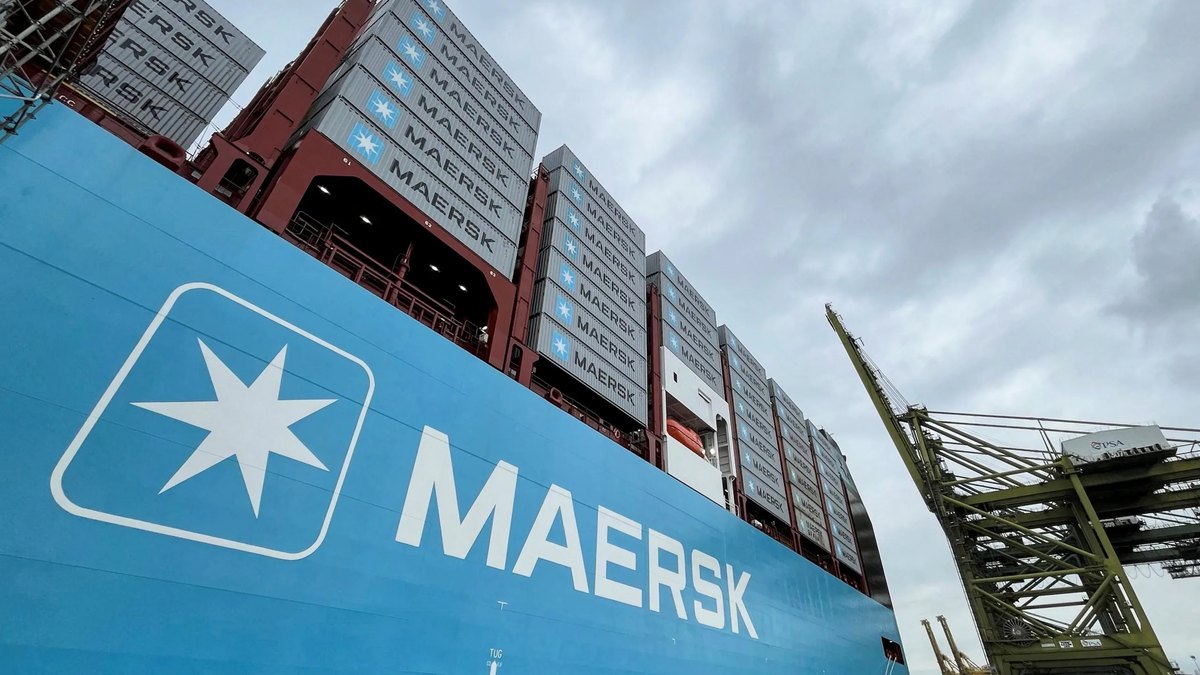
Maersk oo ku dhawaaqday lacag dheeraad ah oo ku saabsan konteenarrada Soomaaliya
Shirkadda maraakiibta ee Maersk ayaa ku dhawaaqday inay lacag dheeraad ah ku soo rogeyso konteenarrada laga soo raro Waqooyiga Yurub iyo dalalka Mediterranean-ka ee loo soo wado Soomaaliya, waxayna noqon doontaa $200 konteenarka 20-foot ah iyo $300 konteenarrada 40-foot iyo 45-foot ah.
Qiimaha cusub iyo xilliga dhaqangelinta
Shirkaddu waxay sheegtay in lacagta dheeraadka ah lagu dabaqi doono konteenarrada loo raro Soomaaliya iyo Tanzania, isla markaana ay sii jiri doonto ilaa amar dambe. Lacagtan cusub, oo loo yaqaan Peak Season Surcharge (PSS), ayaa dhaqan geli doonta 7-da October.
Shirkaddu waxay sheegtay in lacagta lagu dari doono kharashaadka kale ee ku xiran rarista, iyadoo lagu saleynayo habka lacag-bixinta ee shixnad kasta. Taas waxay ka dhigan tahay in ganacsade konteenar 40-foot ah ka soo raraya suuqyada Yurub uu bixin karo $300 oo dheeraad ah marka badeecaddiisa loo soo wado Soomaaliya.
Saameynta ganacsiga Soomaaliya
Soomaaliya waxay si weyn ugu tiirsan tahay badeecadaha dibadda laga keeno, sidaas darteedna isbeddellada ku yimaada qiimaha maraakiibta iyo gaadiidka caalamiga ah waxay qeyb ka noqon karaan kharashka ugu dambeeya ee badeecadaha dalka soo gala.
Kharashkaas waxaa qaadi kara ganacsadaha, ama qayb ka mid ah waxaa loo gudbin karaa jumladleyda, tafaariiqleyda iyo ugu dambeyn macaamiisha, taas oo ku xirnaan doonta nooca iyo tirada badeecadaha ku jira konteenarka.
Go'aamada hore iyo xaaladda suuqa
Go'aankan cusub wuxuu sidoo kale imanayaa kaddib markii Maersk ay bishan September dhaqan gelisay lacag kale oo $500 ah konteenarkiiba oo saaran xamuulka laga raro dalal dhowr ah oo Bariga Afrika ah, oo ay Soomaaliya ku jirto, loona qaado qaar ka mid ah dalalka Waqooyiga Yurub.
Xilligaas shirkaddu waxay sababta ku sheegtay xaaladaha suuqa iyo ciriiriga dhanka awoodda xamuulka ee marinada taga Waqooyiga Yurub. Maersk ma aysan faahfaahin sabab gaar ah oo ay lacagta cusub ugu soo rogeyso Soomaaliya iyo Tanzania.
Shipping giant Maersk has announced a new Peak Season Surcharge (PSS) taking effect on October 7, adding $200 to $300 per container for shipments from Northern Europe and the Mediterranean to Somalia and Tanzania.
New Fees Target East African Destinations
Maersk will impose the PSS on containers bound for Somalia and Tanzania starting October 7, with rates of $200 for 20-foot containers and $300 for 40-foot and 45-foot containers. The company stated the surcharge will remain in effect until further notice and will be added to existing shipping costs on a per-shipment basis.
The additional charges will be absorbed by traders, partially passed to freight forwarders, and ultimately reflected in customer prices, depending on the type and quantity of goods loaded into each container. This means importers in Somalia and Tanzania may face higher costs for goods arriving from European markets.
Somalia and Tanzania Face Higher Rates Than Kenya
While Maersk is also applying a PSS to containers heading to Kenya from Europe on the same date, the rates for Somalia and Tanzania are significantly higher. Kenya will see $150 per 20-foot container and $200 per 40-foot and 45-foot containers, compared to $200 and $300 respectively for Somalia and Tanzania.
Maersk has not explained why Somalia and Tanzania are being charged more than Kenya, despite all three countries being in the East African region. The company attributed the September surcharge to market conditions and congestion in cargo capacity heading to Northern Europe but offered no specific justification for the differential pricing.
Broader Context of Rising Shipping Costs
This announcement follows a $500 per container surcharge Maersk implemented in September on cargo from several East African countries, including Somalia, to Northern Europe. The company cited market conditions and port congestion as the reason for that earlier fee, which has already impacted trade flows in the region.
Somalia's heavy dependence on imported goods means that fluctuations in global shipping costs directly affect the final price of products entering the country. While the per-item cost may decrease if containers are fully loaded, the continuous rise in transport expenses continues to place additional pressure on exporters and importers alike.
Ilaha iyo xuquuqda sawirka
Sawir: Caasimada Xigasho