

Maamulka Shidaalka: Wali waa goor aan hore loo ogaan karin natiijada ceelka badda ee Curad-1
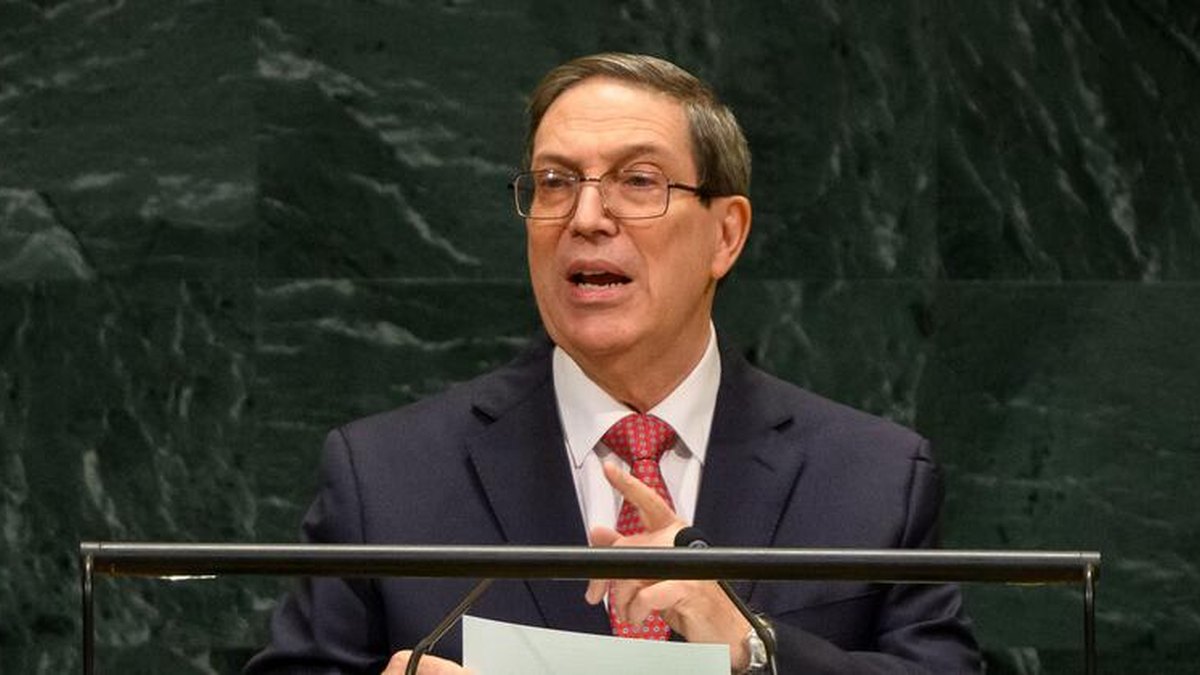
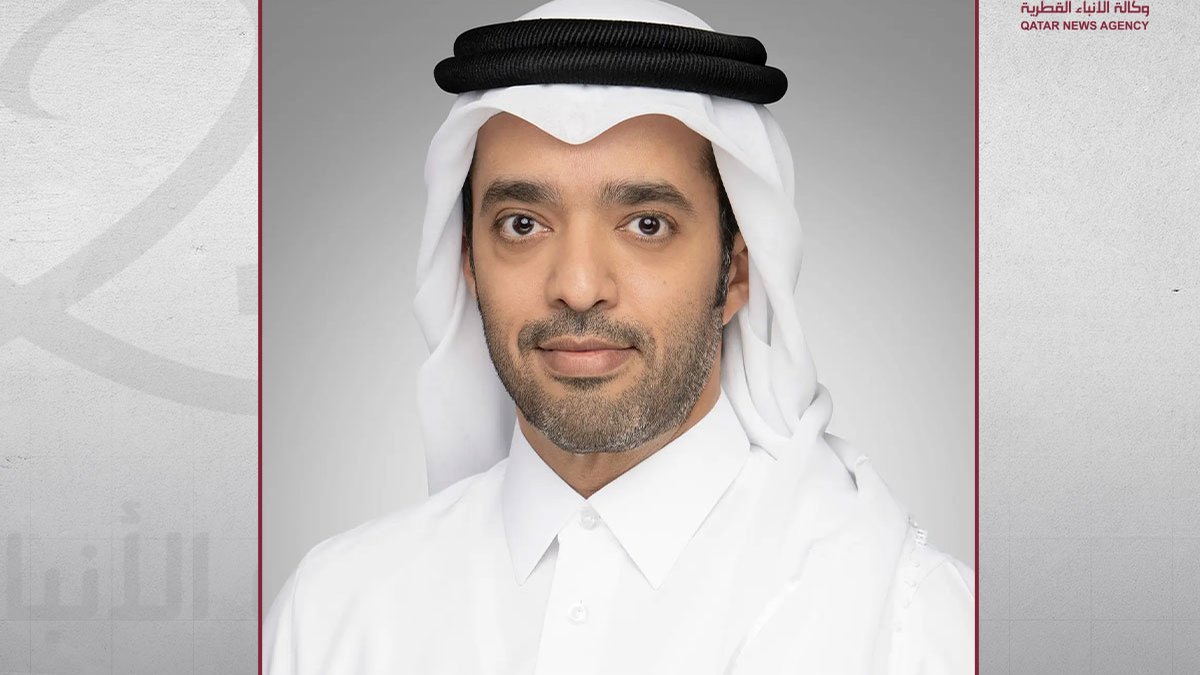
Agaasimaha Guud ee Maamulka Shidaalka Somaliya, Eng. Abdulkadir Adan, ayaa sheegay in wali ay tahay goor aan hore loo sheegi karin in ceelka badda ee laga dhex qodo biyaha Somaliya uu muujinayo calaamadaha saliid ama gaas. Qodista ayaa dhaaftay saddex-meelood meel oo qoto-dheer.
Horumarka Qodista iyo Qorshaha
Ceelka Curad-1 ee Block 153 waxaa qodaya Shirkadda Saliidda Turkiga iyadoo adeegsanaysa markabkeeda qodista Çağrı Bey, kaas oo xeebta Soomaaliya yimid bishii Abriil. Wuxuu ku yaal qiyaastii 372 km waqooyi-bari ee Muqdisho, oo ku dhex taal Basinka Muqdisho, biyihiina qoto-dheer yihiin 3,500 m.
Qodistu waxay u qaybsan tahay toddobo qaybood, waxaana hadda socda midka afraad. Hawlgu wuxuu ka gudbayaa 18 inch casing una guuraysa 16 inch. Bishii Oktoobar ayaa markii hore loo beegsaday dhammaystirka, laakiin shaqaalaha ayaa hadda filaya inay dhammaato dhamaadka Sebtembar.
Qoto-dheerka iyo Taariikhda Sahaminta
Tirada biyaha iyo qodista hoostiisa waxay gaarayaan 7,500 m, iyadoo 3,500 m ay tahay biyaha iyo 4,000 m ay hoos u tahay. Barnaamijka qodistu wuxuu qaadan karaa ilaa 288 maalmood. Goobta waxaa dooratay sahanka Oruç Reis ee 234 maalmood socday, lana sameeyay 4,464 km laba-jibbaaran oo sawirro 3D ah.
Taariikh ahaan, sideed ceel oo kaliya ayaa laga qoday Somaliya, labo ka mid ahna wuxuu ahaa Basinka Soomaaliya, midna lama helin natiijo ganacsi. Curad-1 waa ceelkii ugu horreeyay ee biyaha Soomaaliya lagu qodo tiknoolajiyadda casriga ah ee badda qoto-dheer.
Heshiiska iyo Shaqaalaha
Inta u dhaxaysa 470 ilaa 480 shaqaale ayaa saaran maraakiibta, qiyaastii 20 boqolkiiba waa Turkiga, inta kalena waa dalal kale. Xaaladda badda ayaa hadda ah mid qallafsan, laakiin shaqadu si caadi ah ayay u socotaa, mana jirto shilal la soo sheegay.
Sida uu qabo heshiiska Soomaaliya iyo Turkiga, Shirkadda Saliidda Turkiga waxay soo kabsan kartaa ilaa 90 boqolkiiba wax soo saarka ka dib canshuurta oo ah 5 boqolkiiba, iyadoo dhiirigelinno iyo kharashyo maamul oo la tirtiray.
The Somali Petroleum Authority says it is too early to confirm any oil or gas from the Curad-1 well, which has now passed 1,300 metres below the seabed in Block 153 of the Mogadishu Basin. Crews aboard the Turkish drillship Çağrı Bey expect to finish the operation by the end of September, ahead of the original October target.
Drilling Progress and Technical Details
The Curad-1 well, operated by the Turkish Petroleum Corporation, has completed the water column and is now 1,300 metres into the sub-seabed section of a planned 4,000-metre bore. The operation is currently transitioning from 18-inch casing to 16-inch casing as part of the fourth of seven drilling stages. The total well depth is approximately 7,500 metres, placing it among the deepest offshore exploration wells attempted globally.
Between 470 and 480 crew members are aboard the vessels, with around 20 percent Turkish and the remainder from other nationalities. Daily safety checks are carried out, and pressure and ground temperature are monitored throughout. The Director General noted that the seas are currently rough, with unsettled conditions at the surface and below, yet equipment is being installed as intended.
Schedule Acceleration and Operational Context
October had been set as the target for completing the drilling, but crews aboard now expect to finish by the end of September. The Director General said the work is proceeding as intended and at pace, with no accidents reported. The drilling programme has been estimated at up to 288 days, making the current timetable a considerable acceleration on that estimate.
The site was chosen after a seismic survey by the Turkish research vessel Oruç Reis, which spent 234 days off the Somali coast collecting three-dimensional data across some 4,464 square kilometres in three offshore blocks between October 2024 and June 2025. The Çağrı Bey drillship arrived off the Somali coast in April to begin the operation.
Historical Context and Commercial Terms
Only eight wells have been drilled in Somalia historically, of which two were in the Somali Basin, and none has produced a commercial discovery. Curad-1 is the first well drilled in Somali waters using modern deepwater technology, and the first that can confirm or disprove what the seismic data suggests. Exploration wells in frontier basins fail more often than they succeed, which is why the terms on which they are drilled are written the way they are.
Under the agreement between Somalia and Türkiye, the Turkish Petroleum Corporation may recover up to 90 percent of production after royalties, which are capped at 5 percent, with several bonuses and administrative charges waived. Somalia is accepting lower early revenues in exchange for a partner willing to carry the exploration risk, which is the trade a country with no proven reserves and no drilling history is generally required to make.