Rupiah-ga Indonesia Oo Gaaray Heerkiisii Ugu Hooseeyay ee Taariikhda Marka Loqeebco Doollarka Maraykanka
Lacagta rupiah-ga ee Indonesia ayaa hoos u dhacday heerkeedii ugu hooseeyay ee taariikhda marka loqeebco doollarka Maraykanka, taas oo dhaawac weyn ku geysey dhaqaalaha dalka. Khabiiro ayaa sheegay in qaybo badan oo dhaqaale ay si xun u saamaysay hoos u dhacaas.
Hoos U Dhaca Lacagta iyo Tallaabooyinka Bangiga
Laga soo bilaabo Sebtembar 2024, rupiah-ga wuxuu ka dhacay qiyaastii 15,000 rupiah halkii doollar Maraykan ah, wuxuuna gaaray in ka badan 18,000 rupiah bishii Juun 2026. Hoos u dhacan waa ka sii darnaa muddadii qalalaasaha dhaqaale ee Aasiya ee 1998.
Bankiga Indonesia ayaa soo saaray afar korodh oo heerka dulsaarka ah oo isdaba jooc ah si uu u dejiyo rupiah-ga. Guddoomiyihii bangiga ayaa si lama filaan ah uga casilay xilkiisa ka hor inta uusan dhammaanin muddadiisii labaad.
Saamaynta Cuntada iyo Suuqyada Yaryar
Tempeh-ga, oo ah cunto caan ah oo laga sameeyo digirta soyaasha inta badan laga keeno Maraykanka, qiimaheedu kordhay sababtoo ah rupiah-ga oo hoos u dhacay. Ahmad Saikhu, oo ah xoghayaha guud ee ururka soosaarayaasha 4,000-ka xubnood, wuxuu yiri soosaarayaasha waxay ku jiraan "total disarray".
Qiimaha alaabta caagga ah ee iibiyaasha cuntada waddooyinka ayaa kordhay in ka badan 50 boqolkiiba sababtoo ah xidhitaanka Strait of Hormuz. Amaahda pinjol-ga ayaa kordhay 25 boqolkiiba badhtamihii 2025 ilaa badhtamihii 2026, iyadoo in ka badan $8 trillion la amaahday.
Dhaqaalaha Guud iyo Qiimeynta Caalamiga
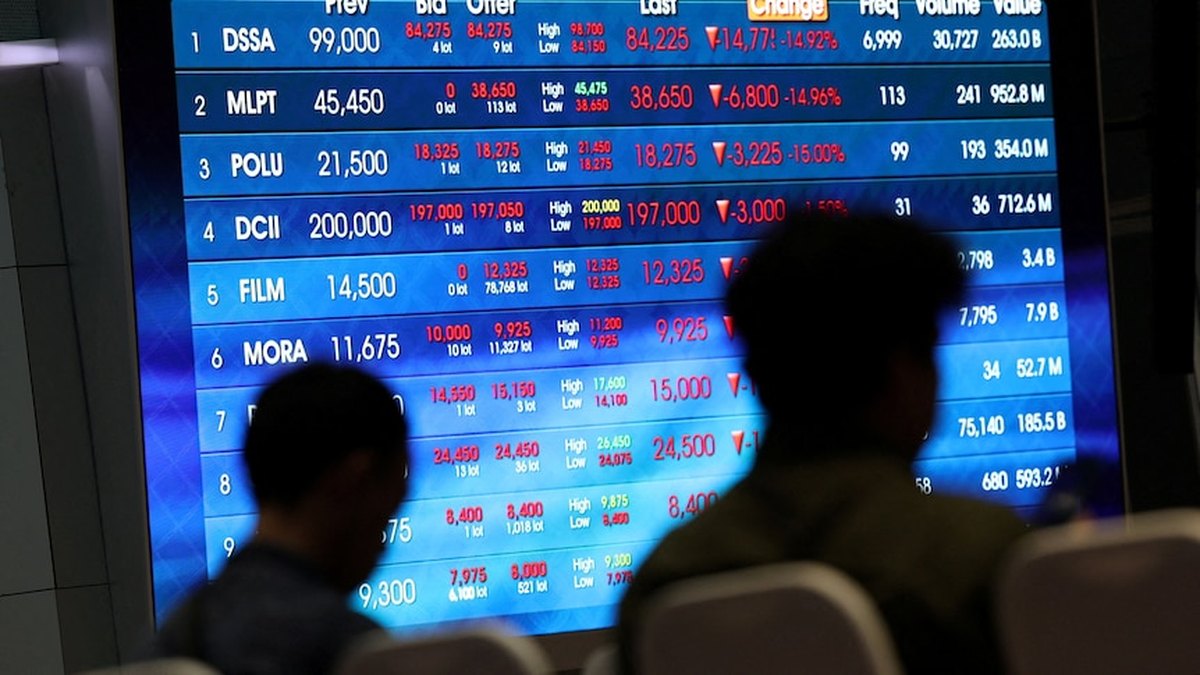
Suuqa saamiyada Indonesia wuxuu lumiyay ku dhawaad 30 boqolkiiba sanadkan. Kobaca dhaqaalaha wuxuu gaabisay 5.3 boqolkiiba, marka loqeebco 5.6 boqolkiiba ee horraantii sanadka. Wasiiraha Maaliyadda Purbaya Yudhi Sadewa ayaa sheegay in hoos u dhaca uu ka yimid dareenka suuqa.
Fitch Ratings ayaa hoos u dhigtay qiimeynta amaahda Indonesia oo noqotay mid taban, iyadoo sheegtay "increasing policy uncertainty and erosion of Indonesia's policy mix consistency and credibility amid growing centralisation of policymaking authority". Khabiiro ayaa qaba in hay'adaha ay xooggan yihiin.
Indonesia's rupiah has plunged to historic lows against the US dollar, surpassing the severity of the 1998 Asian financial crisis and triggering widespread economic pain across the nation.
Currency Collapse and Central Bank Response
The rupiah weakened from approximately 15,000 per US dollar in September 2024 to more than 18,000 by June 2026, a decline economists say is worse than the 1998 Asian financial crisis. Bank Indonesia responded with four rapid interest rate hikes to stabilise the currency, but the governor resigned suddenly before the end of his second term, raising further concerns.
Economist Dipo Satria Ramli attributed 50 to 60 per cent of the rupiah's decline to domestic factors, including unpredictable policies and fiscal challenges, rather than external shocks from the Middle East conflict. Finance Minister Purbaya Yudhi Sadewa countered that the depreciation is driven more by market sentiment than by changes in national economic fundamentals.
Impact on Street Vendors and Food Producers
Tempeh producers, who rely on imported soybeans, are in 'total disarray' as the rupiah's decline pushes up costs. Ahmad Saikhu, secretary-general of a 4,000-strong association, warned that businesses could go bankrupt within three to six months, leading to widespread unemployment. Street food sellers face a double blow: plastic packaging costs have surged over 50 per cent due to the closure of the Strait of Hormuz, while demand has also fallen.
Andri, a satay seller in Central Jakarta, said the main cost increase is plastic, which is well over 50 per cent higher. Syamsul, a noodle cart vendor, noted that goods are rising in price while customers are spending less, forcing him to seek loans to survive. The tempeh industry, a major source of affordable protein, is being squeezed as producers cut package sizes to maintain prices.
Broader Economic Fallout and Debt Surge
Indonesia's stock market lost almost 30 per cent this year, and economic growth slowed to 5.3 per cent from 5.6 per cent earlier in the year. Fitch Ratings lowered the country's credit rating to negative, citing increasing policy uncertainty and erosion of credibility amid growing centralisation of policymaking authority. The Jakarta Composite Index now ranks among the worst-performing major equity markets globally.
Online loan borrowing, known as pinjol, grew by 25 per cent from mid-2025 to mid-2026, with more than $8 trillion borrowed by tens of millions of Indonesians, mostly under 35. Economists say institutions are stronger now and the gradual decline in the rupiah has allayed fears of unrest, but rising inflation and stagnant wages continue to erode purchasing power across the nation.