
Madaxda BRICS waxay codsadeen in la xakameeyo khilaafka dhexdhexaadka
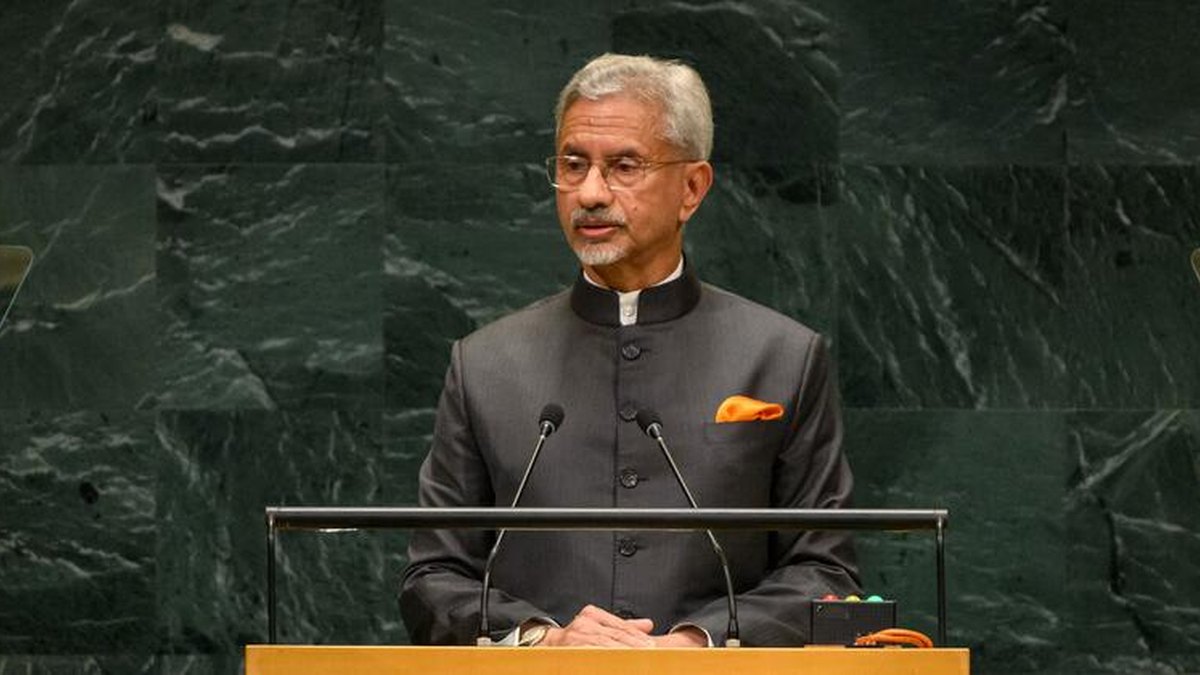
Shirka 18-aad ee BRICS oo ka dhacay New Delhi, India, ayaa soo saaray qoraal midoobay oo ku baaqaya in la xakameeyo khilaafka dhexdhexaadka, iyadoo aan la xusin dal kasta oo la eedeeyay.
Qoraalka midoobay ee BRICS
Shirka 18-aad ee BRICS oo ka dhacay New Delhi, India, ayaa soo saaray qoraal 45-da bogga ah oo ku baaqaya in la xakameeyo khilaafka dhexdhexaadka, iyadoo la sheegay inuu muujiyo 'khatar weyn' oo ku saabsan xadgudubka.
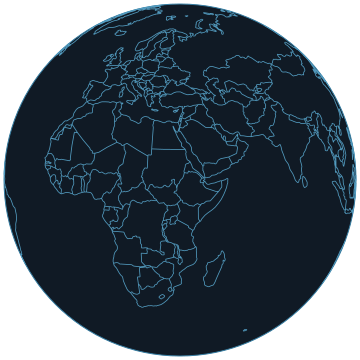
Qoraalka ma xusin dal kasta oo la eedeeyay, inkastoo khilaafka uu ku saabsan yahay saddex ka mid ah xubnaha BRICS, sida Iran, UAE, iyo Sacuudi Carabiya, taasoo muujinaysa inuu yahay mid aad u adag in la isku raaco.
Xiriirka India iyo China
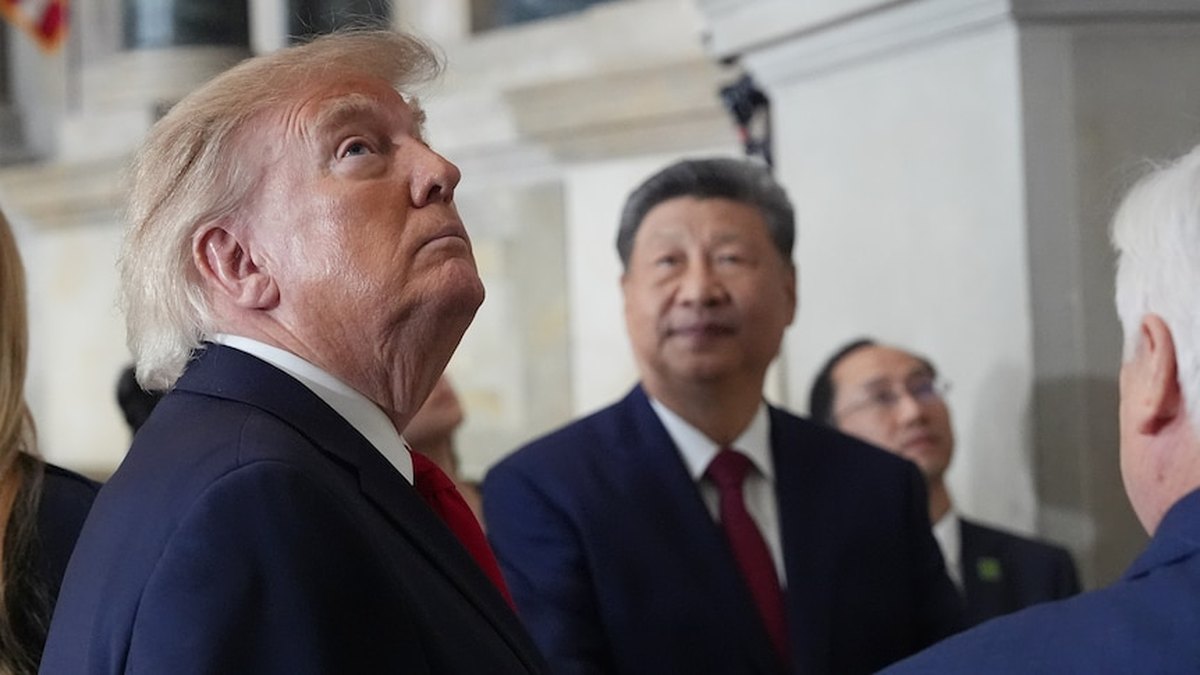
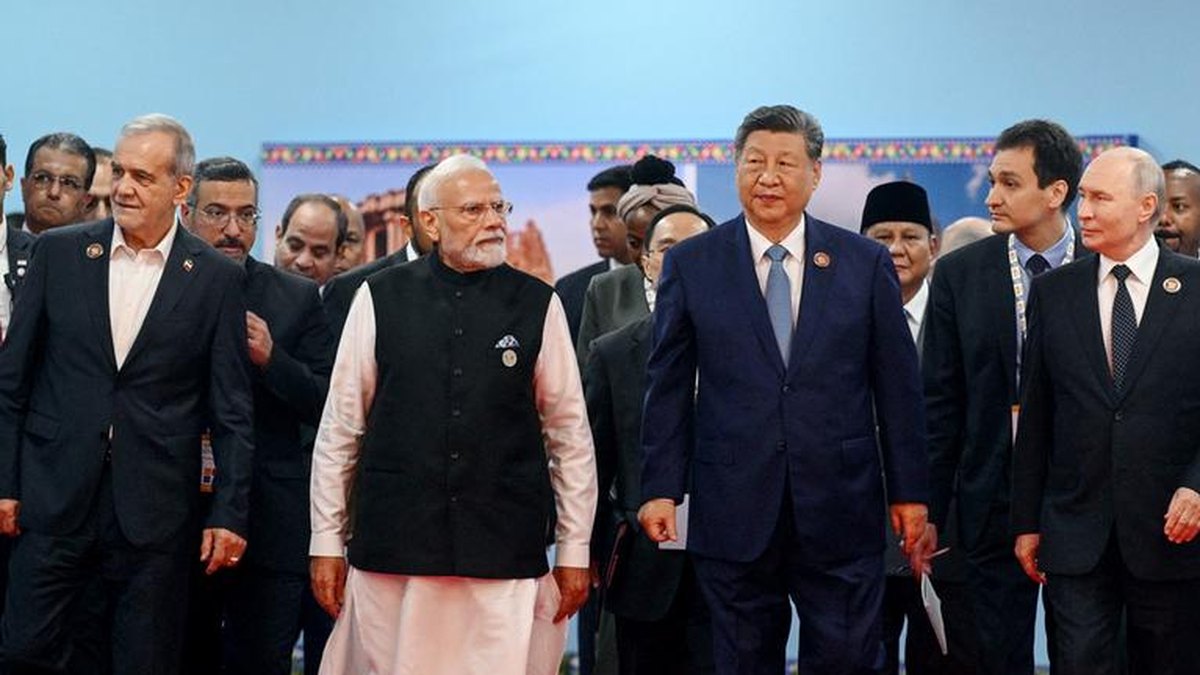
Madaxweynaha China, Xi Jinping, ayaa booqday India, halkaas oo uu ku wada hadlay Madaxweynaha India, Narendra Modi, iyadoo xiriirka labada dal uu ahaa mid adag tan iyo 2020-kii.
Xi ayaa sidoo kale soo jeediyay tallaabooyin cusub oo ku saabsan AI, ganacsiga, iyo iskaashiga si uu u xoojiyo iskaashiga dhexdhexaadka, iyadoo India ay u gudbin doonto hoggaanka BRICS ee China.
Khilaafka Ukraine iyo xiriirka Russia
Qoraalka ma xusin Ukraine, inkastoo Putin iyo Modi ay isku raaceen inay diyaar u yihiin inay ka qayb qaataan wadahadallada amniga ee Ukraine.
Modi ayaa sidoo kale codsaday in Putin uu dhameeyo dagaalka Ukraine, halkaas oo uu sheegay inuu ka xumahay in la xakameeyo khilaafka.
At the 18th BRICS Summit held in New Delhi on 12 and 13 September 2026, leaders issued a joint declaration calling for maximum restraint in the Middle East, expressing deep concern over the ongoing escalation without naming or blaming any country.
A Delicate Declaration on the Middle East
The 45-page New Delhi Declaration expressed deep concern over the escalation in the Middle East and called for maximum restraint, reflecting the bloc's diplomatic caution. The war directly involves three BRICS members — Iran, the UAE, and Saudi Arabia — which are on opposite sides of the conflict, making consensus difficult to achieve.
No country was named or blamed in the text, a deliberate choice that underscores the diversity of the bloc. It took careful diplomacy and night shifts to secure even this wording, though analysts argue it is arguably better than nothing given the presence of all three nations in the room.
Xi's Historic Visit and the Thaw with India
Chinese President Xi Jinping visited India for the first time since 2019, marking a significant step in the cautious thaw between the two nuclear-armed Asian powers. Relations had frozen after a deadly clash along their disputed Himalayan border in 2020, and this meeting signals a desire for a more multipolar world with less Western dominance.
Xi announced initiatives ranging from AI to trade to deepen cooperation among the 'Greater BRICS' emerging economies, including China's plan to establish a BRICS AI Open Source Zone. India will hand the BRICS chairmanship to China, though New Delhi watches closely to ensure the bloc does not become a China-led anti-Western alliance.
Ukraine's Absence and Broader Geopolitical Tensions
Ukraine is not mentioned once in the Delhi declaration, a notable shift from the Rio summit last year which at least referred to members' national positions concerning the conflict. For Putin, the total omission is politically useful, especially since he was in Delhi unlike in Rio.
BRICS leaders condemned unilateral sanctions and voiced concern over unilateral tariffs, reflecting shared frustrations with the Western-dominated global order. Meanwhile, Modi again urged Putin to end the war in Ukraine, and both Xi and Modi offered their services for peace talks, which Putin welcomed.