
Maamulka Trump iyo Xi Jinping: Wada-hadallada Ganacsiga, AI-ka iyo Xaaladda Taiwan
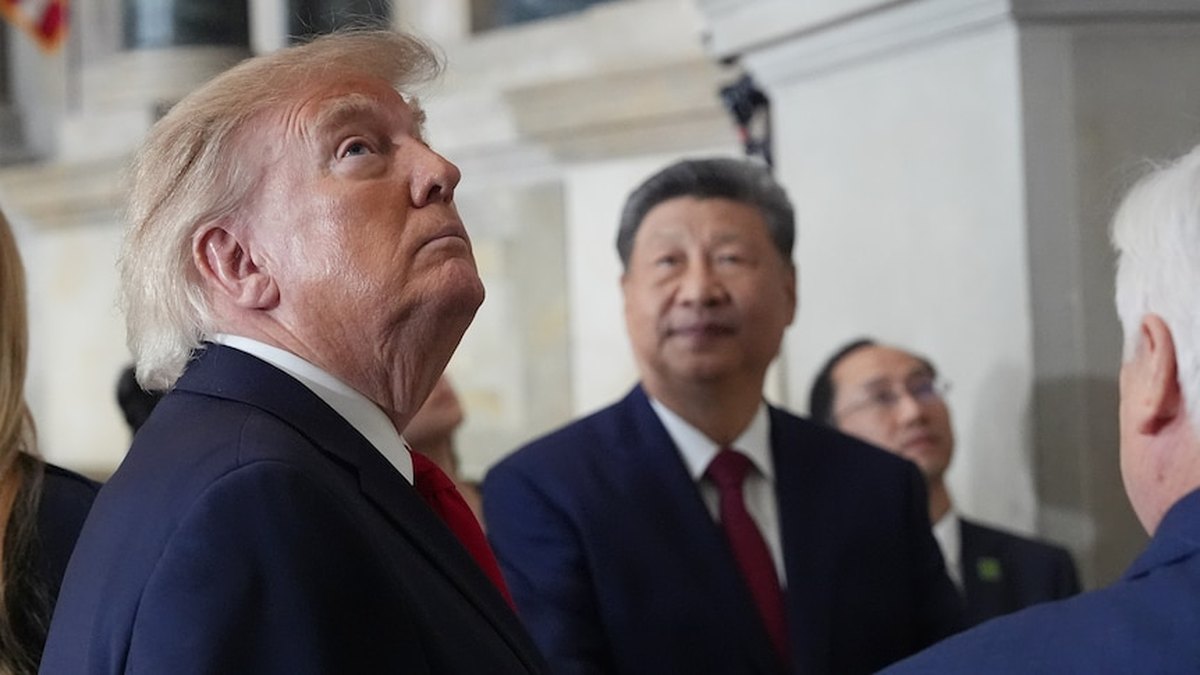
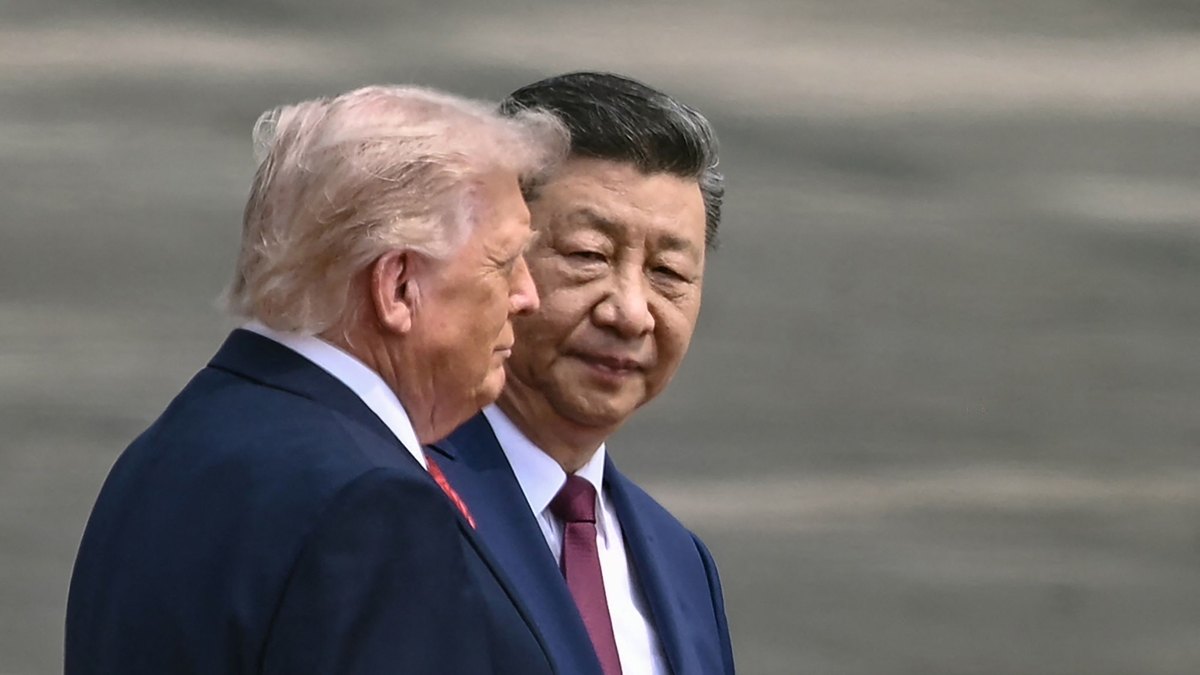
Kulanka ugu muhiimsan ee guudaha guddiga guud ee Qaramada Midoobay ee maanta ka socda New York waa midka u dhaxeeya madaxweynaha Maraykanka Donald Trump iyo madaxweynaha Shiinaha Xi Jinping, kaas oo ka dhici doona guriga Aqalka Cad.
Heshiiska Busan oo dhamaaday, wada-hadalada ganacsiga ayaa sii wada
Heshiiska ganacsiga ee ka soo baxay kulankii Trump iyo Xi Jinping ee Busan ee sanadkii hore, oo ahaa mid ka dhigay in la yareeyo xad-dhaafka taxaneynta iyo in la joojiyo lacagaha dhismaha, wuxuu dhamaaday 10-kii November. Labada dhinac ayaa hadda isku dayaya inay go'aan ka gaaraan sidii loo sii wadi lahaa heshiiskaas.
Waxaa sidoo kale la filayaa in labada dhinac ay isku dayaan inay go'aan ka gaaraan xad-dhaafka taxaneynta alaabta muhiimka ah sida beeraha, energy-ga iyo samafalada Boeing, iyadoo la filayo inay wada hadlaan qorshe dhan $30 bilion oo alaab ah oo aan la aamini karin, taas oo ku jira 10 nooc oo kala duwan.
AI-ka iyo xad-dhaafka teknolojiyadda: Isku-dhafan iyo khatar
Wasiirka Maaliyadda Maraykanka Scott Bessent wuxuu sheegay in amniga AI-ka uu ku jiro agendada kulanka labada dhinac. Shiinaha wuxuu rabaa in Maraykanku yareeyo xad-dhaafka teknolojiyadda Shiineeska, halka qaar ka mid ah ganacsatada Maraykanka ay ka cabsanayaan in Shiinuhu ka horreeyo AI-ka.
Trump wuxuu diiday in la sameeyo sharciyo cusub oo ku saabsan AI-ka, halkaas oo isku-darka lahaa wada-hadalada ganacsiga iyo xad-dhaafka alaabta chip-ka ee Maraykanka.
Xaaladda Taiwan, Iran iyo xiriirka caalamiga ah
Shiinaha wuxuu sheegay inuu ka baxi karo kulanka haddii Maraykanku ogolaado in la iibsho hubka Taiwan. Labada dhinac ayaa sidoo kale la filayaa inay wada hadlaan xiriirka Shiinaha iyo Iran, iyo dadka dibadda laga xiray.
Waxaa sidoo kale la filayaa in labada dhinac ay si adag uga jawaabaan xaaladda Taiwan iyo khilaafaadka kale ee caalamiga ah, iyadoo aan la filayn inay sameeyaan tallaabooyin muhiim ah.
The most anticipated diplomatic event of the week is a face-to-face meeting between US President Donald Trump and Chinese President Xi Jinping at the White House on Wednesday, September 23, with the trade truce from last year's Busan summit set to expire on November 10.
An Unusual Presidential Welcome
Trump is scheduled to personally welcome Xi at Joint Base Andrews, a rare diplomatic gesture since US presidents do not typically go to the airport to greet foreign leaders. Ahead of the airport reunion, a US delegation led by Treasury secretary Scott Bessent and trade representative Jamieson Greer is meeting with He Lifeng, China's vice premier of the State Council, to set the agenda for the bilateral talks.
The World Economic Forum presented an overview of some of the most pressing topics, including the trade conflict, the supply chain, technological competition, and the ever-sensitive issue of Taiwan, all while keeping in mind the difficulties that have kept the US mired in a war in the Middle East that threatens to escalate.
Trade and Technology at the Forefront
The trade truce that came out of Trump and Xi's meeting in Busan last year is set to expire on November 10. Both governments now have to decide whether to extend the agreement, which lowered Trump's tariff threats and paused port fees. In addition to discussing the possibility of extension, the leaders could decide to set purchase targets for key trade items including agricultural products, energy, and Boeing aircraft.
One key component of the Busan agreement was that it lifted China's export limits on rare earths and minerals, key exports for automobiles, defense, and technology, including essential hardware for AI. According to Scott Bessent, AI safety will be on the agenda for the bilateral meeting, though Trump has dismissed calls for regulation at home regarding AI.
Geopolitical Tensions and Analyst Outlook
China has threatened to pull out of the summit entirely if the US green-lights new arms sales to Taiwan. The countries are expected to discuss China's economic ties with Iran, as well as detained foreign nationals. Both countries are expected to tread lightly without ceding influence, making any fundamental shift unlikely.
The meeting held this past May in Beijing was full of symbolic gestures, but both leaders made very few concessions at the negotiating table. Anna Ashton, a China trade analyst and founder of Ashton Intelligence, told CNBC: 'I think there will be some show of deliverables because of the fact that it's a presidential summit coming, but I don't feel like we're on the verge of some sort of breakthrough. I think status quo is probably both sides' general best expectation.'
Ilaha iyo xuquuqda sawirka
Sawir: Wired Xigasho