Heesta 'Azadi' oo noqotay halbeegga mudaharaadka ardayda ee Hindiya
Laga soo bilaabo dhaqdhaqaaqii haweenka ee Pakistan ilaa filimka Bollywood, 'Azadi' waxay marqaati u tahay isbeddelka siyaasadda ardayda.
Maamulka Hindiya ayaa shaqaale u diray inay rinjiyaan darbiyada laga sawiray agagaarka Jantar Mantar ee New Delhi 26-kii July 2026, kadib mudaharaad ay qaadeen ardayda ka dib fadeexad imtixaan. Mudaharaadadan oo uu hogaaminayey Cockroach Janta Party ayaa horseeday in Wasiirka Waxbarasho Dharmendra Pradhan laga eryo xilkiisa.
Asalka 'Azadi' iyo fiditaankeeda
Heesta 'Azadi', oo macnaheedu yahay 'xorriyad' oo Ingiriisiga, waxay noqotay halbeegga mudaharaadka ardayda ee Hindiya. Asalkeeda casriga ah wuxuu ka bilaabmay iska caabinta haweenka ee Pakistan ee taliskii militeriga ee General Zia-ul-Haq 1980-yadii.
Isla heesta waxaa markii dambe qaaday iska caabinta Kashmir ee gumaysigii Hindiya dabayaaqadii 1980-yadii. Socdaalka 'Azadi' wuxuu ka turjumayaa ka guurista dhaqdhaqaaqii haweenka Pakistan ilaa iska caabinta Kashmir iyo ugu dambeyn meesha ugu horreysa ee Hindiya.
Dhacdooyinkii JNU iyo xukunnadii kala duwanaa
9-kii December 2016, ardaydii Jaamacadda JNU waxay isu yimaadeen kulan ay kaga hadlaynayeen ciqaabta dilka ee Hindiya. Kanhaiya Kumar, oo ahaa madaxda ururka ardayda, ayaa hogaamiyay qaylihii 'Azadi' ee dhacdadaas.
Umar Khalid, oo ah arday JNU, ayaa lagu xiray eedeymo kacdoon ah kadib qalalaasihii 2016. Sanadkii 2019, mudaharaadyo ka dhan ah wax-ka-beddelka sharciga jinsiyadda ayaa horseeday xabsiga tobaneeyo hawl-wadeenno ardayda ah.
Ka faa'iideystayaashii muusiga iyo baraha bulshada
Dub Sharma, soo-saare muusig, ayaa beats elektaroonig ah saaray qaylihii JNU si uu u abuuro heesta 'Azadi'. Director Zoya Akhtar ayaa heestaas isticmaashay filimkeedii 2019 ee Gully Boy, laakiin nooca cusub wuxuu hayay oo kaliya 'xorriyad gaajo'.
Abhijeet Dipke, qof ka qalin-jabiyay Boston University, ayaa bilaabay olole baraha bulshada ee CJP oo helay in ka badan 22 milyan oo raacsan Instagram. Neha Bora, madaxda qaranka AISA, ayaa joogtay goobta mudaharaadka Jantar Mantar ayadoo la jirta Dipke.
On July 26, 2026, workers in New Delhi painted over graffitied walls near Jantar Mantar, erasing traces of a protest that had already toppled India's Education Minister. The chant that drove the unrest — 'Azadi, give me freedom' — has travelled from Pakistan's feminist resistance to Kashmiri rebellion, before becoming the soundtrack of one of the biggest challenges to Prime Minister Narendra Modi's government in years.
The Cockroach Party and a Minister's Fall
The 2026 protests were ignited by an exam leak scandal orchestrated by the Cockroach Janta Party (CJP), a social media campaign founded by Boston University graduate Abhijeet Dipke. The movement, which amassed more than 22 million followers on Instagram, demanded accountability and succeeded in ousting Education Minister Dharmendra Pradhan. Neha Bora, national president of the All India Students Association, was present at the Jantar Mantar site alongside Dipke as the entry curve of the protest strip read '#2026 Gen-Z REVOLUTION!!!'.
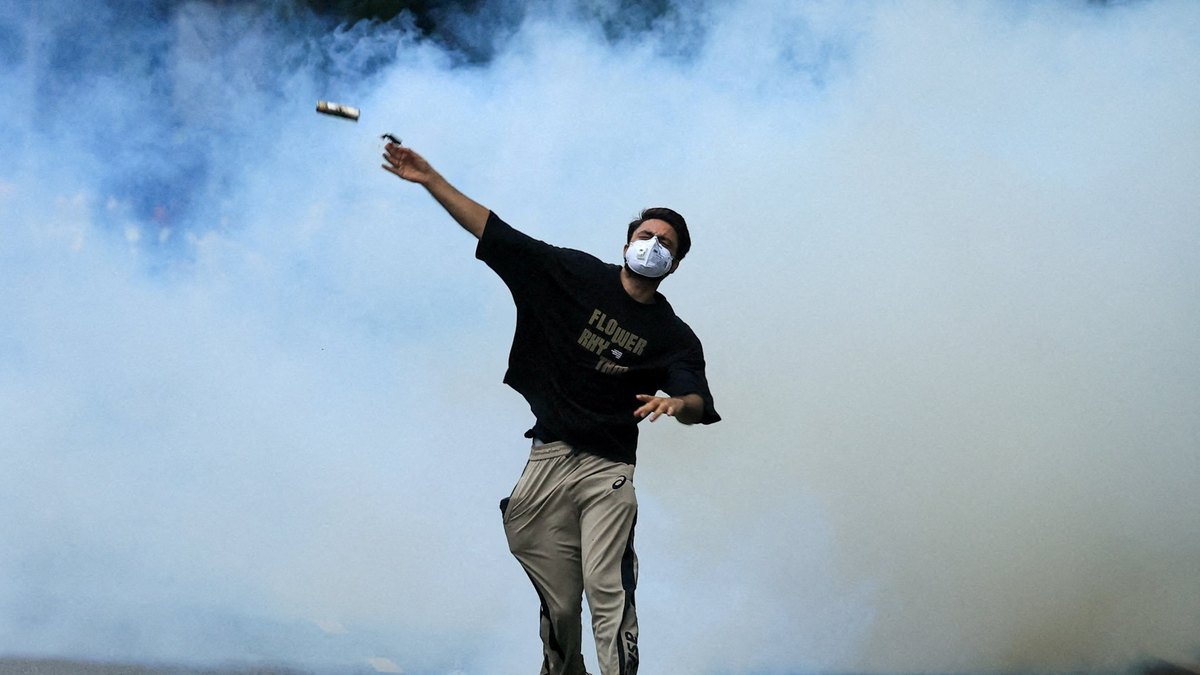
Police personnel were seen beating students at New Delhi's Parliament Street during the demonstrations, with fast-paced video footage of the violence giving new life to the nearly decade-old Azadi track. One of the yellow metal police barricades, painted over by protesters, bore the message in red: 'Umar, Sharjeel, Gulfisha were here before you'. The chants reverberated across cities including Jaipur, Lucknow and Mumbai, marking one of the largest student uprisings in recent Indian history.
A Decade of Criminalising Dissent
Just a decade ago, Azadi was among the most criminalised protest slogans in Delhi, with student leaders jailed for treason. The controversy began on December 9, 2016, at Jawaharlal Nehru University (JNU), where a meeting to discuss capital punishment was turned into a national flashpoint by pro-Modi media. Kanhaiya Kumar, then JNU student union president, led students chanting Azadi slogans, while Umar Khalid was arrested on sedition charges. The tag of 'antinational' was accepted in wider Indian imagination, and students like Khalid could never shed it.
In 2019, protests erupted against proposed amendments to India's citizenship laws (CAA), leading to the jailing of dozens of prominent student activists. Police presence and inquiries were beefed up, and politically biased appointments to university administrations were made. Six years on, student leaders like Khalid, who was rearrested, and Sharjeel Imam continue to be imprisoned without trial. Professor Apoorvanand described the situation as 'the first time in independent India where the government has undertaken a coordinated, well-thought-out attack on student activism'.
The Journey of a Song
The Azadi chant, translated as 'freedom' in English, is a popular hip-hop song from the Bollywood film Gully Boy, which director Zoya Akhtar tapped in 2019. The track was originally inspired by Pakistan's feminist resistance to General Zia-ul-Haq's military dictatorship in the 1980s, before Kashmiri resistance to Indian occupation adopted the slogan in the late 1980s. Kamla Bhasin, a late Indian feminist activist, referred to the Azadi chants as 'a living, breathing slogan' in an interview a year before her death in 2021.
Music producer Dub Sharma layered electronic beats over the crowd chants at JNU to create the Azadi track, but the revised version in Gully Boy only retained 'freedom from hunger' from the original crowd chants. The Azadi chant calls for freedom from caste-based hierarchy, capitalism, hunger, and to break free from the influence of the RSS. Under Modi, India has continued to slide in multiple democratic indices, and this year Sharma's rehashed score became the anthem of the students' resistance, calling for wider educational reforms.