
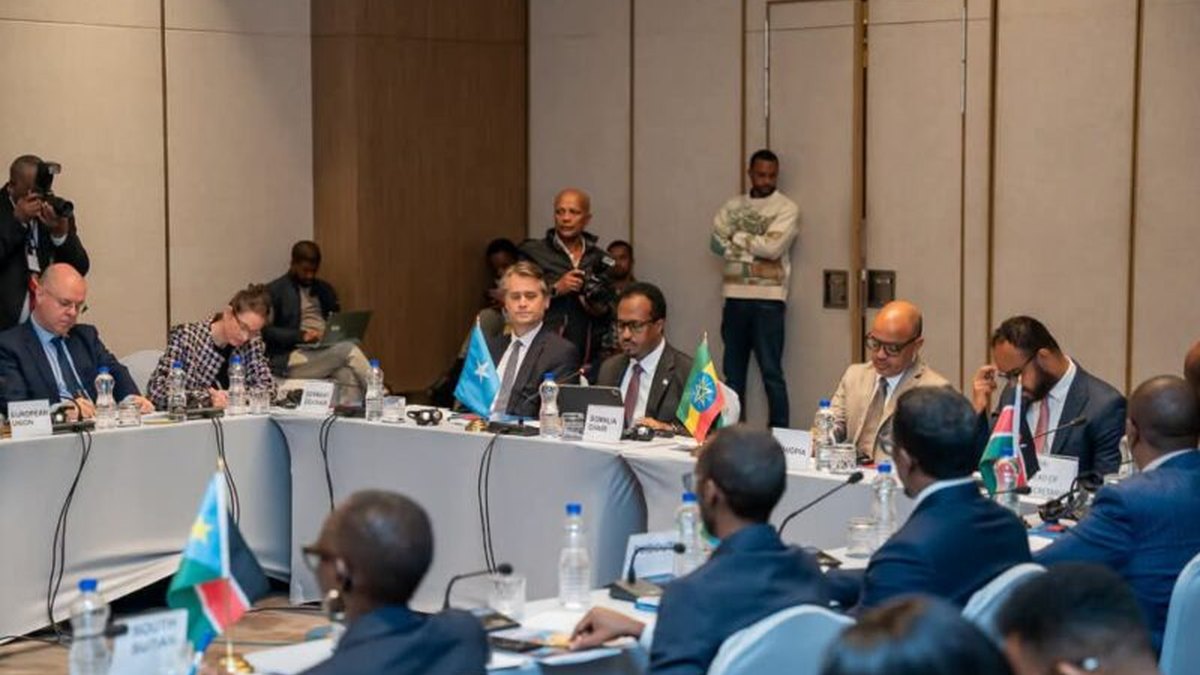
Soomaaliya ku biirto AfCFTA: Dalka 50-aad ee xubin ka noqda heshiiska ganacsiga qaaradda Afrika
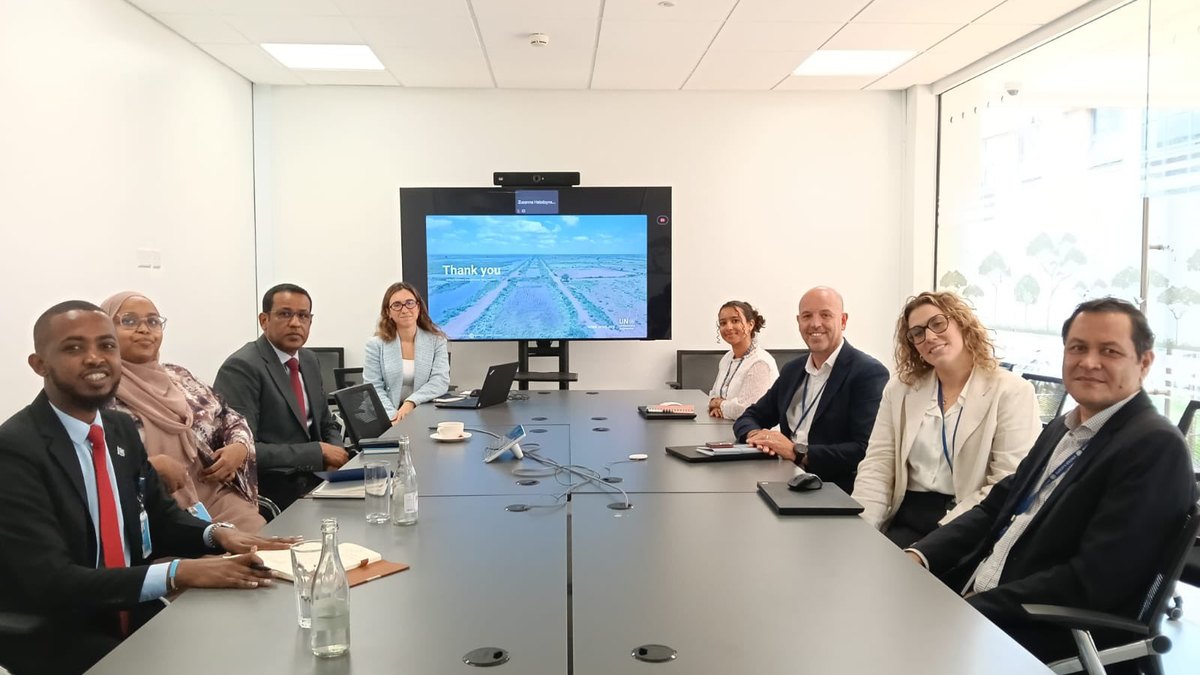
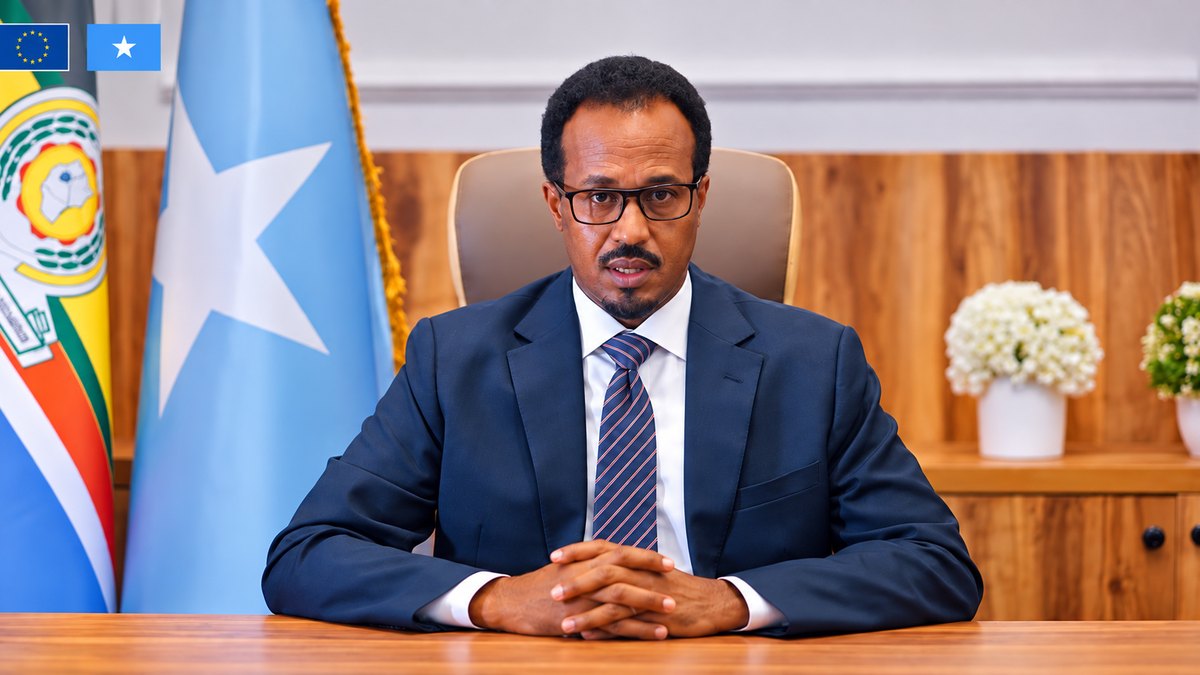
Dowladda Soomaaliya ayaa magaalada Addis Ababa ku wareejisay dukumentiga ansixinta heshiiska Aagga Ganacsiga Xorta ah ee Qaaradda Afrika (AfCFTA), iyadoo noqotay dalka 50-aad ee xubin ka noqda heshiiskaas. Tallaabadan ayaa soo gabagabeyneysa hannaankii gudaha ee ansixinta, kadib markii Baarlamaanka Federaalka uu meel mariyay heshiiska, isla markaana uu saxiixay Madaxweyne Xasan Sheekh Maxamuud.
Fursad suuq qaaradeed oo ballaaran
Ku biirista AfCFTA waxay Soomaaliya u furaysaa fursad ay ganacsatada iyo wax-soo-saareyaasha Soomaaliyeed uga faa’iideystaan suuq qaaradeed oo ay ku nool yihiin in ka badan 1.4 bilyan oo qof. Heshiisku wuxuu Soomaaliya u abuuri karaa fursado lagu kordhiyo wax-soo-saarka iyo dhoofinta, gaar ahaan dhinacyada xoolaha, beeraha, kalluumeysiga, wax-soo-saarka iyo adeegyada.
Dowladda Soomaaliya ayaa rajaynaysa in heshiiskan uu gacan ka geysto kordhinta dhoofinta, abuurista shaqooyin, soo jiidashada maalgashi iyo kobcinta wax-soo-saarka gudaha. Tallaabadani waxay noqon kartaa fursad dhaqaale oo weyn, balse natiijada dhabta ah waxay ku xirnaan doontaa awoodda dowladda iyo ganacsatada Soomaaliyeed ay u leeyihiin inay suuqa weyn ee Afrika ugu beddelaan wax-soo-saar, dhoofin iyo shaqo-abuur gudaha dalka ah.
Shaqooyinka hortaalla dowladda
Wasiirka Ganacsiga iyo Warshadaha Soomaaliya, Gamal Maxamed Xasan, ayaa sheegay in shaqada ugu muhiimsan ee hadda hortaalla dowladda ay tahay sidii ansixinta heshiiska loogu beddeli lahaa ganacsi dhab ah, iyadoo la diyaarinayo nidaamyada kastamka iyo canshuuraha, lana taageerayo shirkadaha Soomaaliyeed si ay u buuxiyaan shuruudaha looga baahan yahay dhoofinta.
Dowladda Soomaaliya ayaa hore u dhistay Xafiiska Isku-dubaridka Qaranka ee AfCFTA, kaas oo isku xiri doona hay’adaha dowladda, dowlad-goboleedyada iyo ganacsatada. AfCFTA Secretariat-ka ayaa sheegay in tallaabooyinka xiga ay ka mid yihiin hirgelinta nidaamka canshuuraha doorbidka ah iyo dhammeystirka qaar ka mid ah waajibaadka ganacsi ee Soomaaliya.
Caqabado iyo tallaabooyin casriyeed
Ku biirista heshiiska AfCFTA waxay ahayd bilow, waxaana caqabadda ugu weyn noqon doonta hirgelintiisa. Soomaaliya waxay u baahan tahay inay casriyeyso nidaamka kastamka, dejiso canshuuraha ganacsiga ee heshiiska, xoojiso kaabayaasha gaadiidka iyo wax-soo-saarka, isla markaana ganacsatada u fududeyso helitaanka maalgelin iyo suuqyo cusub.
Sidoo kale, waxaa la filayaa in fursadaha ganacsi ee cusub ay soo jiitaan maalgashi shisheeye, isla markaana ay Soomaaliya ka caawiyaan inay si weyn ugu xirnaato silsiladaha ganacsi ee qaaradda. Heshiisku wuxuu Soomaaliya u abuuri karaa fursado lagu kordhiyo wax-soo-saarka iyo dhoofinta, gaar ahaan dhinacyada xoolaha, beeraha, kalluumeysiga, wax-soo-saarka iyo adeegyada.
Somalia has formally completed its accession process to the African Continental Free Trade Area (AfCFTA), becoming the 50th member state after submitting ratification documents to the African Union in Addis Ababa. The federal parliament previously approved the agreement, and President Hassan Sheikh Mohamud signed it into law, marking a significant milestone in the country's trade integration with the continent.
A Historic Trade Milestone for East Africa
The ratification of the AfCFTA agreement by Somalia's federal parliament and subsequent signing by President Hassan Sheikh Mohamud represent a major step forward in the nation's economic diplomacy. By submitting the final ratification documents to the African Union headquarters in Addis Ababa, Somalia has officially joined a bloc of 50 member states committed to dismantling trade barriers across the continent.
This accession is not merely a procedural formality but a strategic move designed to position Somalia as a key player in Africa's growing economic landscape. The agreement aims to facilitate trade and deepen economic integration among African nations, offering Somali businesses unprecedented access to a market of over 1.4 billion people.
Opportunities and Challenges Ahead for Somali Business
Trade Minister Gamal Maxamed Xasan emphasized that the government's most critical task now is to translate the agreement's ratification into tangible trade outcomes. He highlighted the need to prepare customs and tax systems, support Somali companies in meeting export requirements, and leverage the agreement to boost production and exports in livestock, agriculture, fisheries, manufacturing, and services.
The AfCFTA Secretariat has outlined next steps including the implementation of a preferential tax system and the completion of certain trade obligations for Somalia. While the agreement promises to attract foreign investment and integrate Somalia into continental supply chains, experts caution that its success will depend on the country's ability to modernize customs infrastructure, strengthen transport networks, and provide businesses with access to financing and new markets.
Building the Foundation for Continental Trade
Somalia has already established a National AfCFTA Facilitation Office to coordinate between government agencies, regional states, and the private sector. This institutional framework is intended to streamline the implementation process and ensure that all stakeholders are aligned in pursuing the agreement's objectives.
Looking ahead, the government envisions the AfCFTA as a catalyst for job creation, export growth, and domestic industrial development. However, analysts note that realizing these benefits will require sustained investment in infrastructure, regulatory reform, and capacity building to ensure Somali enterprises can compete effectively in the vast African market.
Ilaha iyo xuquuqda sawirka
Sawir: Goobjoog Xigasho