
Qaraxii Sharpeville: Dadka dhaawacmay ayaa bilaabay dacwad rasmi ah oo ku saabsan xukunkii apartheid-ka
Dadkii dhaawacmay ee qaraxii Sharpeville ee 1960-kii ayaa ku guuleystay inay dacwad rasmi ah ku qaadaan dowladda Afrika Koonfureed, iyagoo sheegaya in xukunkii apartheid-ka uu ka hor istaagayo adkeynta xuquuqda dadka.
Qaraxii Sharpeville: Taariikhda iyo dhibaatada
21-kii bishii March 1960, ciidamada booliska Afrika Koonfureed ayaa toogasho culus ku qaaday dad rayid ah oo ka soo horjeeday qaanuunada apartheid-ka, taasoo keentay in 69 qof oo kaliya la dilay, halka 200 kale oo dhaawac ahna la xaqiijiyay.
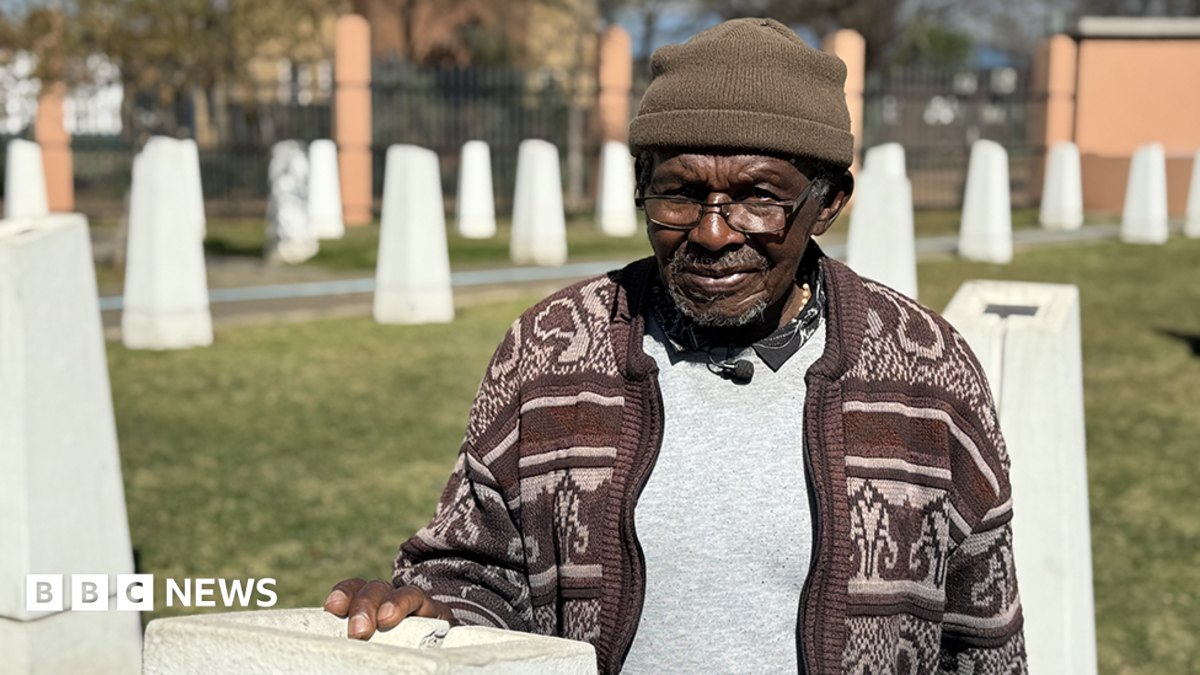
Abraham Mofokeng, 86 jir, waa mid ka mid ah dadkii dhaawacmay, isagoo wali ku jira dhaawac uu ka soo gaaray toogashada, waxaana uu sheegay in dadka apartheid-ka ay u arkeen inay yihiin dad aan la aqoon.
Xukunkii Indemnity Act: Sababta dacwadda
Dowladdii apartheid-ka ayaa 1961-kii soo saartay qaanuunka Indemnity Act, kaasoo ka hortagay in dadka la eedeeyo ama la dambi gelin karo toogashada Sharpeville, inkastoo dowladda cusub ee 1994-kii soo martay ay ku adkaysatay in qaanuunkaas uu noqdo mid aan la beddelin.
Dadka dhaawacmay ayaa sheegaya in xukunkaas uu ka hor istaagayo adkeynta xuquuqda dadka, waxaana ay ku baaqeen in la beddelo qaanuunkaas si loo helo adkeyn iyo xaqiijin.
Dacwadda cusub: Ujeeddada iyo faa'iidada
Shirkadda Lawyers for Human Rights iyo shirkadda Leigh Day ee dalka Ingiriiska ayaa ku guuleystay inay dacwad rasmi ah ku qaadaan dowladda, iyagoo sheegaya in 70 qof oo dhaawac ah iyo qoysaska ay ku jiraan dacwadda.
Dadka dhaawacmay ayaa sheegaya in dacwadda cusub ay ka caawin karto inay helaan adkeyn iyo xaqiijin, waxaana ay ku baaqeen in la beddelo qaanuunka Indemnity Act si loo helo adkeyn iyo xaqiijin.
Sixty-six years after police opened fire on peaceful protesters in Sharpeville, South Africa, survivors and their families have filed a High Court case seeking to strike down the 1961 Indemnity Act that has shielded the state from accountability for the massacre.
A Massacre That Defined a Generation
On 21 March 1960, thousands of Black South Africans gathered in the township south of Johannesburg to protest the oppressive pass laws known as dompas. The Pan Africanist Congress called for the march, but police responded with rifles, machetes and shields, opening fire on the unarmed crowd.
At least 69 protesters were shot dead, though recent research suggests the death toll may have reached 91, with more than 200 injured and over 1,300 bullets fired into the crowd. The brutality exposed the violence of apartheid to the world, yet no perpetrators were ever prosecuted.
The Indemnity Act and a Failed Justice System
In 1961, the apartheid government passed the Indemnity Act to protect police and officials from criminal or civil claims related to Sharpeville. Despite more than 30 years of democratic rule, the law remains on the statute books, and the Truth and Reconciliation Commission did not bring justice for the victims.
The only legal action that followed was a failed attempt to charge the protesters with affray. Survivors like Abraham Mofokeng, 86, who still carries a bullet in his spine, and Larazus Magotsi, 90, say they have never healed from the trauma of that day.
A Historic Court Challenge for Reparations
Lawyers for Human Rights, alongside UK firm Leigh Day, filed a case at the High Court arguing the Indemnity Act is unconstitutional under the 1994 constitution. The application seeks class action certification that could involve up to 70 victims and relatives collectively suing the state.
Constitutional expert Prof Frans Viljoen says the principle of continuity of statehood means the current government can be held accountable. The community is seeking not just individual damages but reparations to enable healing, with one lawyer noting Sharpeville feels like a forgotten community.
Ilaha iyo xuquuqda sawirka
Sawir: BBC Africa Xigasho