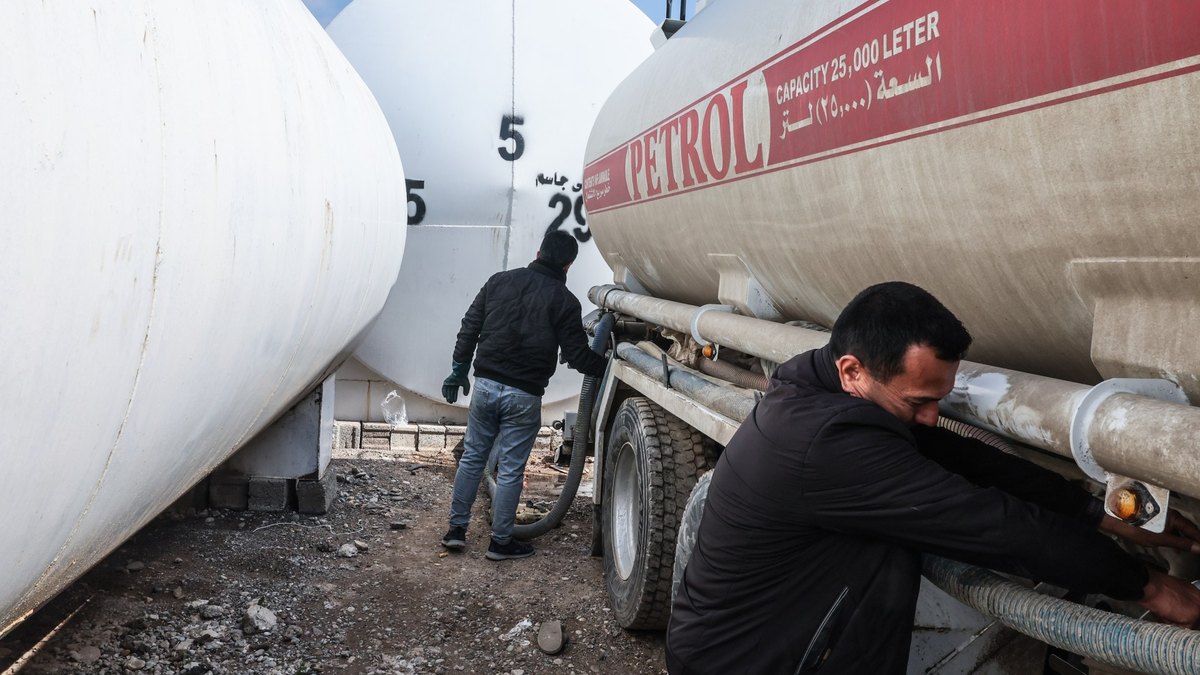

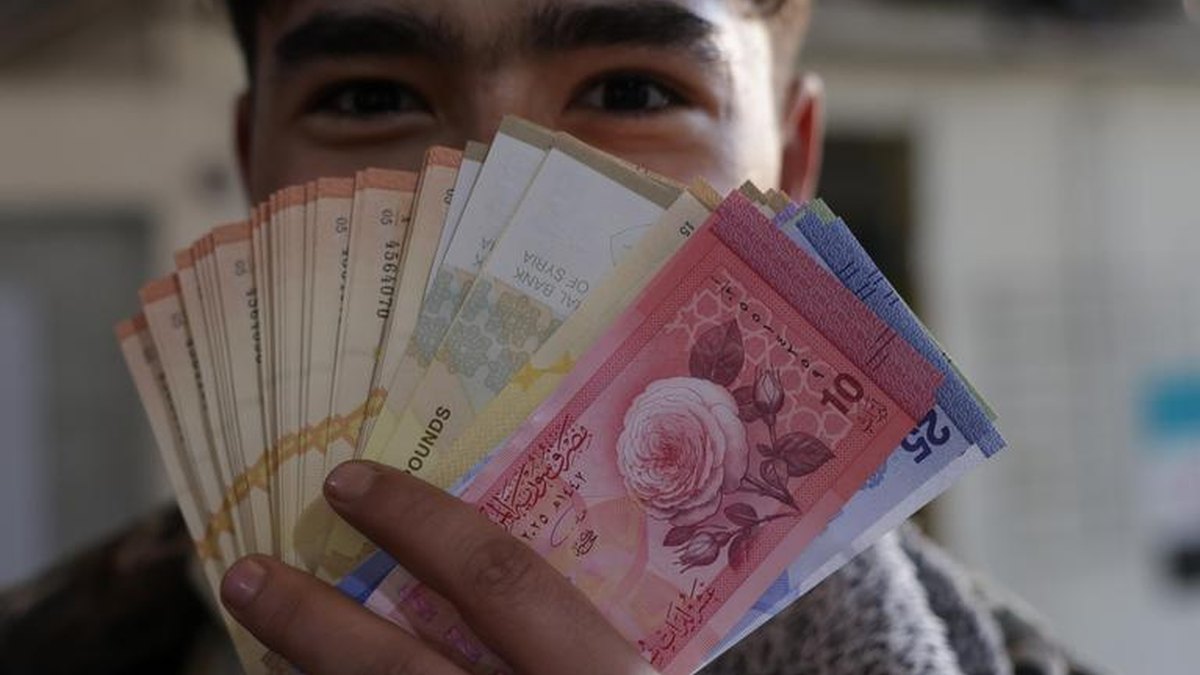
Dowladda Suuriya ayaa bishii September ee hore kor u qaaday qiimaha dhamaan noocyada badeecadaha, gaar ahaan dhaq-dhaqaaqa, iyadoo qiimuhu ka badnaa 40%.
Koritaanka qiimaha iyo dib-u-dhaca
Koritaanka qiimaha dhaq-dhaqaaqa ayaa keentay in dadka Suuriya ay ka dhacaan mid ka mid ah dib-u-dhaca ugu weyn ee dalku ka dhacay tan iyo markii dowladdii hore ay la wareegtay dalka.
Dadka ayaa waxay ku baxeen waddooyinka, iyagoo ku eedeeyay siyaasiyiinta inay uga danbeeyaan, balse dowladdu waxay dib u dhacday qaar ka mid ah go'aamadeeda, iyadoo ku bixisay dhaq-dhaqaaqa dhaqaale iyo beeraha.
Dhaqaale oo koraya, laakiin dadka guud ahaan?
Madaxweynaha Suuriya, Ahmad al-Sharaa, wuxuu sheegay in dhaqaalaha dalku uu gaari doono $50 bilion, halkii uu ahaa $20 bilion sanadkii 2024, balse dadka guud ahaan ayaa wali ku jira fawdo.
Xogta ayaa sheegaysa in qiimaha badeecadaha ay kor u kaceen 25% tan iyo July 2025, iyadoo qiimaha ugu sarreeya ee 37% uu ku saabsanaa badeecadaha muhiimka ah sida guryaha iyo biyaha.
Dadka oo dareemaya khatar
Dadka ayaa sheegaya in qiimaha badeecadaha uu ka badan yahay dhaqaalaha ay helaan, iyadoo qaar ka mid ah dadka ayaa sheegaya inay u baahan yihiin inay bixiyaan dhaq-dhaqaaqa kaliya.
Warbaahinta Suuriya ayaa baaritaanno ku sameysay mashruucada dhaqaale ee dalka, iyadoo sheegtay inay yihiin kuwo loogu talagalay dadka dhaqaale leh, halkii ay u baahnaayeen dadka guud ahaan.
In mid-September, the Syrian government raised fuel prices across the board, with diesel surging 40%, sparking the most widespread unrest since the Assad regime's fall in late 2024. Despite President Ahmad al-Sharaa's claims of a booming economy, over two-thirds of Syrians still live in comparative poverty, and ordinary citizens struggle to make ends meet.
Fuel Hikes Trigger Widespread Protests
The Syrian government raised the price of all kinds of fuel, including petrol and diesel, in mid-September, with diesel prices rising by 40%. The energy ministry explained that the increases were necessary due to higher global fuel costs and local shortages. The move triggered some of the most widespread protests Syria has seen since the Assad regime was toppled in late 2024.
Demonstrators burned tires, blocked roads, and called for the dismissal of politicians they held responsible. The protests subsided as the government walked back some changes and announced plans to subsidize diesel for heating, agriculture, and industry.
Inflation Hits Essential Services Hardest
The Syrian Center for Policy Research reported that prices increased almost 25% between July 2025 and July 2026. The highest price increases, around 37%, were on essential expenditure such as housing, water, electricity, and gas. Alaa Sndyan, an architect in Damascus, said there is no sensible correlation between the income an individual earns in Syria and the prices they're paying.
Kanan Abdullah, a driver in Damascus, reported that transport costs are consuming half his pay, making it difficult to buy food or save for car repairs. Kamar Kasoum, a local mother of three, stated that people are starting to worry about how they're going to get to work and get home because transport alone is costing them half their pay.
Critics Question Who Benefits from Growth
Syrian President Ahmad al-Sharaa predicted Syria's economy would be worth around $50 billion this year, up from around $20 billion in 2024. However, Syrian outlet Al Jumhuriya investigated billion-dollar real estate projects, finding they are mostly comprised of gated communities and luxury apartments. Damascus architect Sndyan argued that many announced projects are aimed at a specific demographic: the affluent class, and that ordinary people who lost everything during Syria's civil war are being forgotten.
Sam Heller, an analyst with Century International, described the Syrian government's economic liberalization as a 'shock therapy program' without fully accounting for the acute vulnerability and poverty of most Syrians. Researcher Joseph Daher argued that in countries emerging from conflict, 'success' cannot be measured solely by fiscal surpluses or price stability.
Ilaha iyo xuquuqda sawirka
Sawir: DW World Xigasho