
Dagaalka u dhexeeya dowladda Yaman iyo kooxda Houthi ayaa sii kordhinaya xaaladda bani-aadamnimada, iyadoo qof walba oo ka mid ah dadka Soomaalida ah ee ku nool deegaannadaas uu ku jiro cabsi iyo dhibaato.
Qoysaska ka cararay gobollada
Qoyska Musleh, oo ka mid ah dadka ku nool magaalada Mokha, ayaa la sheegay inay ka carureen guryahooda iyagoo aan waqti ku hayn inay qabtaan wax walba. Waxay ku sugan yihiin magaalada Aden, iyagoo u arka inay dib u soo laabtaan marka dagaalku dhamaado.
Rashad al-Alimi, oo ah hoggaamiyaha dowladda Yaman, ayaa sheegay in dagaalku uusan beddelin doonin qorshaha dowladda ee dib u soo celinta awooddeeda. Halkaasina, qoyska Musleh wuxuu u arkaa inay dib u soo laabtaan marka dagaalku dhamaado.
Xaaladda magaalada Taiz
Magaalada Taiz, oo ku dhow dhulka Kahboub, waxay wajahaysaa dhibaatooyin badan, iyadoo dadka ku nool magaaladaas ay cabsi ku qabaan inay dib u soo laabtaan. Waxayna sheegeen inay dareemaan inay ku jiraan xaalad adag.
Dadka ku nool magaalada Taiz waxay sheegeen inay dareemaan inay ku jiraan xaalad adag, iyagoo cabsi ku qaba inay dib u soo laabtaan. Waxayna sheegeen inay dareemaan inay ku jiraan xaalad adag.
Dhibaatada bani-aadamnimada
Dadka ka cararay dagaalka waxay ku sugan yihiin meelo kale, iyagoo u baahan inay helaan guri iyo cunto. Waxayna sheegeen inay dareemaan inay ku jiraan xaalad adag.
Dadka ka cararay dagaalka waxay ku sugan yihiin meelo kale, iyagoo u baahan inay helaan guri iyo cunto. Waxayna sheegeen inay dareemaan inay ku jiraan xaalad adag.
Since late July, Iran-backed Houthis have expanded their control across Yemen's Red Sea coast, capturing the port town of Mokha and pushing toward the strategic Kahboub Mountains. The advances have forced thousands to flee, with more than 132,000 people displaced in recent days alone, as families face hunger, lack of shelter and the threat of renewed sieges.
Houthi advances reshape the battlefield
Since late July, the Iran-backed Houthis have expanded their areas of control from the north and center of Yemen to much of the country's Red Sea coast, seizing territory from forces of the internationally recognized and Saudi-backed government. The Houthis are currently pushing further into the country toward the strategic Kahboub Mountains, which overlook areas around the Bab el-Mandeb Strait, a key waterway that had been serving as an alternative route for Saudi oil exports amid Iran's blockade of the nearby Strait of Hormuz.
Rashad al-Alimi, chairman of the Presidential Council, said that recent battlefield changes would not alter the government's goal of restoring state authority nationwide. However, given the latest advances by the Iran-backed Houthis and their territorial gains in Yemen, a return to homes in areas like Mokha is unlikely for now.
Families flee and fear renewed sieges
Mohammed Musleh, a 46-year-old father, was forced to flee his home in Mokha without time to pack after the Houthi capture of the port town in September. His wife, Muna, said the Houthis told them to leave immediately, and the family now stays with relatives in Aden, the largest city controlled by the government in southern Yemen. They tell their two young daughters that they hope to return home soon, but have no idea what will happen next.
In Taiz, under government control, mothers like Fatima and Rania are torn between staying and leaving. Fatima tells her children that the sounds of shelling are from fireworks, while Rania fears that if the Houthis tighten their grip on the city, they will find themselves under siege again. During the previous war, Houthi forces blocked most routes into Taiz for almost two years, driving up prices and leaving people on the brink of famine.
Displacement crisis deepens amid humanitarian collapse
The World Health Organization said that at least 674 people have been killed and 2,998 injured since fighting escalated in August. The conflict has prompted mass displacement of more than 132,000 people, with more than 90,000 finding refuge in Aden, Lahj, Abyan and Al Dhale'e governorates and even in Marib. Even before the latest escalation, more than 5.2 million people were internally displaced in Yemen, and the current fighting is deepening an already dire humanitarian crisis.
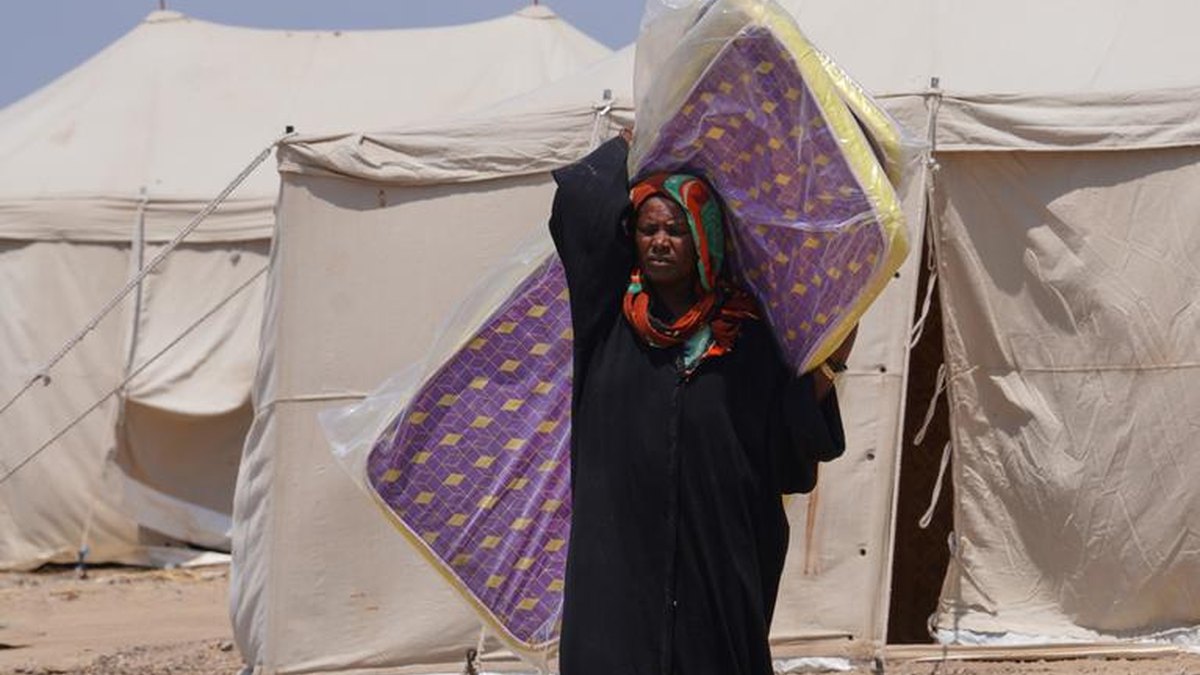
At the Al-Kud IDP camp in Abyan, 317 families have arrived since the fighting began, increasing the number of people from 1,460 to 2,629. There is no funding to support them, and displaced families are surviving purely off the generosity of other IDP families. Mustapha, a man displaced from his hometown of Mawza seven years ago, is hosting 22 families in his shelter, where they share a single latrine and one meal together every other day.
Ilaha iyo xuquuqda sawirka
Sawir: DW World Xigasho