
Golaha Guud ee Qaramada Midoobay wuxuu ansixiyay in la beddelo khariidadda caalamiga ah ee ku muujinaysa Afrika
Golaha Guud ee Qaramada Midoobay ayaa Jimcihii ku meel-mariyay qaraar lagu beddelo khariidadda caadiga ah ee adduunka, kaas oo si sax ah u muujinaya cabbirka qaaradda Afrika. Qaraarka, oo loo magac baxay 'Sax Khariidadda', ayaa lagu soo bandhigay dalka Togo, waxaana taageeray 164 dal, iyadoo Mareykanku ka soo horjeestay.
Qaraarka iyo codadka
Qaraarka, oo loo magac baxay 'Sax Khariidadda', ayaa lagu soo bandhigay dalka Togo, waxaana taageeray 164 dal, oo ay ku jiraan Faransiiska iyo Boqortooyada Ingiriiska. Mareykanku wuxuu ahaa dalkii kaliya ee ka soo horjeestay, iyadoo lix dalna ay ka aamuseen codeynta.
Wasiirka Arrimaha Dibadda ee Togo, Robert Dussey, ayaa Reuters u sheegay: 'Adduun caddaalad ah wuxuu ka bilaabmaa khariidad caddaalad ah.' Wuxuu sidoo kale sheegay in khariidad waligeed dhexdhexaad ma aha, waxayna qaabaysaa aragtida dadka iyo sida loo fahmo kaalinta shucuubta iyo qaaradaha adduunka.
Khariidadda Mercator iyo qallooca
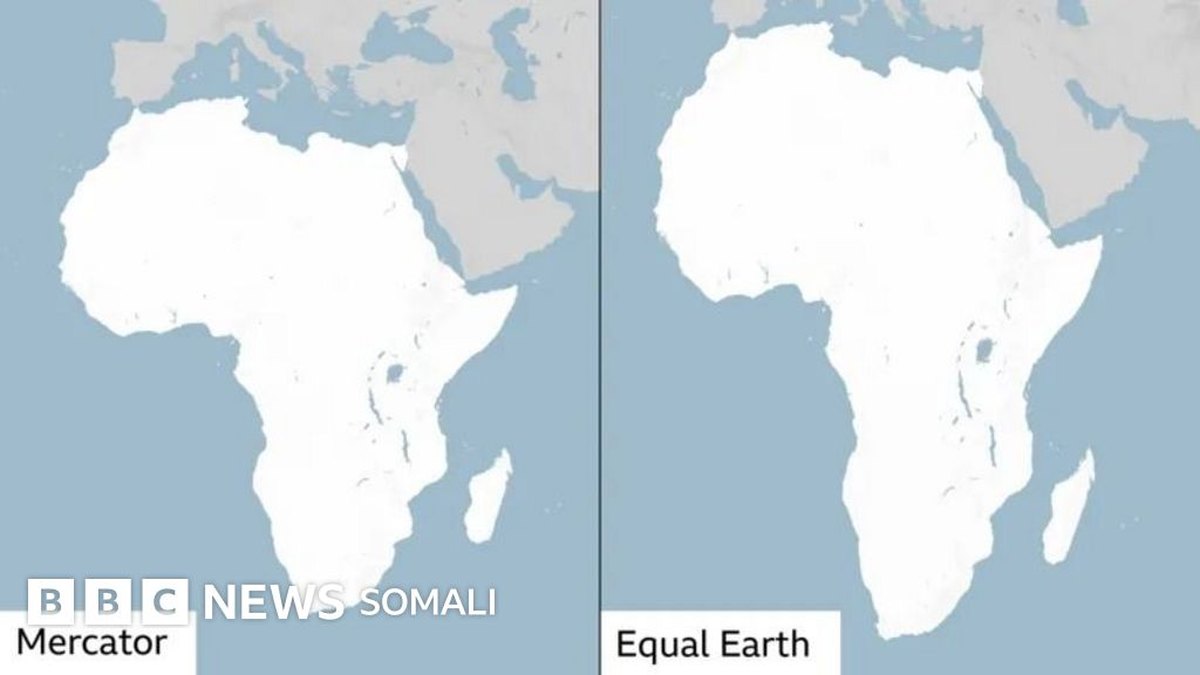
Khariidadda Mercator, oo si weyn loo isticmaalayay tan iyo qarnigii 16-aad, ayaa la kulantay dhaliil maadaama ay Afrika u muujinayso mid cabbir ahaan la mid ah Greenland, inkastoo Afrika ay ka weyn tahay Greenland ilaa 14 jeer. Qallooca ku jira khariidaddiisa ayaa ka dhashay xaqiiqda ah inay suurtogal ahayn in si sax ah loogu muujiyo dusha sare ee dhulka oo ah qaab wareegsan khariidad laba-cabbir ah oo siman.
Khariidadda Mercator waxaa sannadkii 1569-kii sameeyay khabiirka khariidadaha ee u dhashay Flanders, Gerardus Mercator. Wuxuu sheegay in waddamada ku dhow dhulbaraha ay u muuqdaan kuwo ka yar cabbirkooda dhabta ah, halka waddamada ku dhow cirifyada ay u muuqdaan kuwo ka weyn.
Jawaabta Faransiiska iyo khilaafka Mareykanka
Wasiirka Arrimaha Dibadda ee Faransiiska, Jean-Noël Barrot, ayaa sheegay in wasaaraddiisu ay joojin doonto isticmaalka khariidadda Mercator. Wuxuu yiri: 'Beddelidda khariidaddu dabcan ma beddelayso adduunka. Laakiin sixidda matalaad si khaldan u muujinaysa adduunka ayaa durba ah tallaabo lagu xaqiijinayo runta.'
Laakiin Yaryna Ferencevych, oo ah wakiilka Mareykanka ee Qaramada Midoobay, ayaa sheegtay in qaraarku uu ka dhigayo wax lagu jeesjeeso shaqada Golaha Guud. Waxay intaas ku dartay in Mareykanku bishii Maarso uu sidoo kale dhaliil u jeediyay qaraar ku dhawaaqayay in ganacsigii addoomaha uu ahaa 'dambigii ugu xumaa ee ka dhan ah aadanaha.'
The UN General Assembly voted to replace the standard world map with one that accurately reflects the true size of the African continent, in a resolution titled 'Correct the Map' sponsored by Togo and supported by 164 countries.
The Vote and Its Implications
The resolution was passed with the support of 164 countries, including France and the United Kingdom, while the United States was the only country to vote against it, and six others abstained. Although not binding, the vote is expected to drive changes in how international organizations and media outlets produce maps.
Togo's Foreign Minister Robert Dussey told Reuters: 'A just world begins with a just map.' He previously stated: 'No map is ever neutral. It shapes people's perceptions and influences how we understand the roles of nations and continents in the world.' France's Foreign Minister Jean-Noël Barrot also supported the resolution, saying his ministry would stop using the Mercator projection.
Why the Mercator Projection Is Problematic
The Mercator projection, created in 1569 by Gerardus Mercator of Flanders, has been widely used since the 16th century but has drawn criticism for depicting Africa as roughly the same size as Greenland, despite Africa being 14 times larger. The distortions stem from the mathematical impossibility of representing a spherical Earth on a flat, two-dimensional map without compromise.
The projection makes countries near the equator appear smaller than their actual size, while countries near the poles appear larger. In February, 54 AU member states adopted the Equal Earth projection, stating it 'represents the sizes of all continents more accurately, especially Africa.' The Equal Earth projection was created in 2018 by a team of cartographers.
Reactions from Around the World
Yaryna Ferencevych, the US Ambassador to the UN, criticized the resolution, saying it turns the General Assembly's work into a joke. She stated: 'While they should be focusing on real issues related to global peace, prosperity, or good relations, the Assembly is discussing cartographic projects from the 16th century and their role in promoting healing and 'justice in education.'' In March, the US also criticized a resolution declaring the trans-Atlantic slave trade as 'the worst crime against humanity.'
Lerato Mogoatlhe of Africa No Filter told BBC: 'The inaccurate depiction of Africa on world maps is not just a cartographic error, it is a story and image issue about Africa.' She stated that this is part of efforts to stop 'the longest-running misinformation and disinformation in the world' about Africa. Kenyan geographer Kioko Muendo believes the Mercator projection subtly diminished the image of Africa's resources, population, and investment opportunities.
Ilaha iyo xuquuqda sawirka
Sawir: BBC Somali Xigasho