
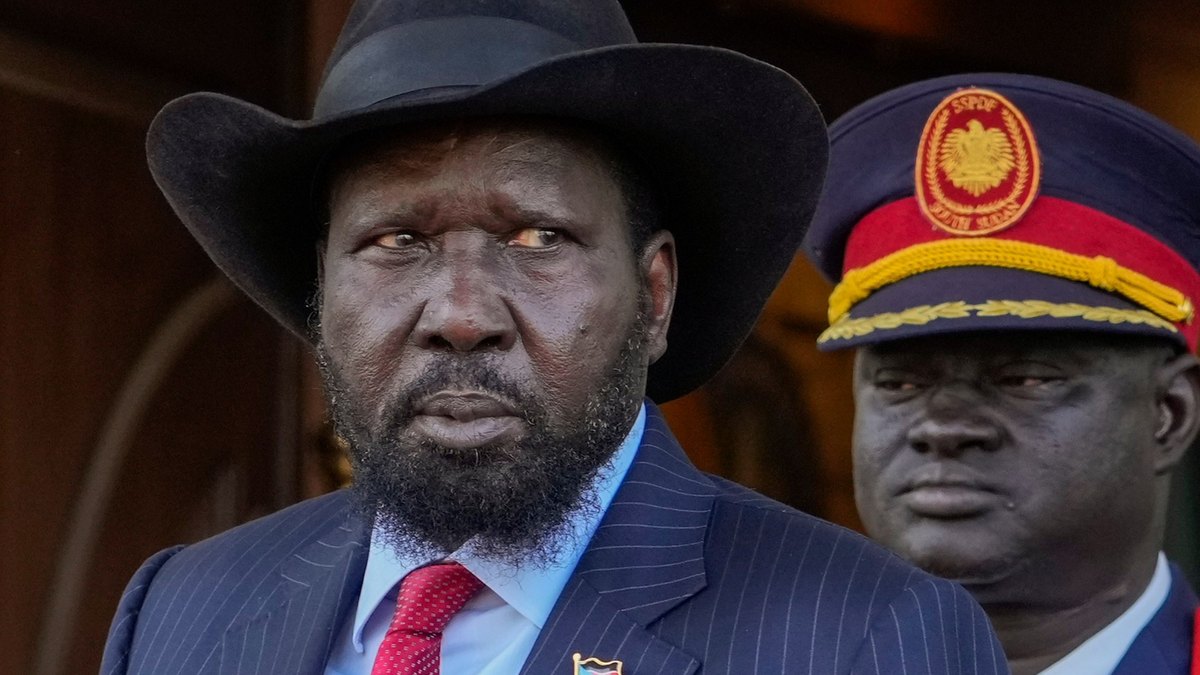
Madaxweynaha South Sudan, Salva Kiir, wuxuu maanta go'aan ka gaaray in dowladda midoobay ee dalka laga saaro, isagoo magacaabay dowlad degen oo diyaar u ah doorashada. Go'aanka ayaa dhamaaday heshiiska 2018-kii, kaas oo ahaa midka u dhexeeyay dhinacyada dagaalka ku dhex jiray dalka.
Go'aanka Madaxweynaha iyo dowladda degen
Kiir wuxuu go'aamiyay in la saaro guddoomiyayaasha dowladda, wasiirrada, iyo maamulayaasha gobollada, isagoo dowladda degen ku magacaabay. Wakiilada dowladda iyo baarlamaanka dalka ayaa la dhigay, halka maxkamadaha iyo amniga ay sii wadaan shaqadooda.
Kiir wuxuu sheegay inuu sii joogi doono xafiiska ilaa doorashada la qabto, isagoo dastuurka doorashada u bedelay si uu uga baxo xafiiska. Baarlamaanku wuxuu ogolaaday beddelka dastuurka doorashada, kaas oo ahaa mid aad u muhiim ah oo diyaar u ah doorashada 22-kii Diseembar.
Cabsida iyo warbixinta hay'adaha
Hay'adda Amnesty International waxay ku tilmaantay go'aanka Kiir mid 'muhiim ah' oo diyaar u ah doorashada, balse waxay codsatay in la sameeyo deegaan ku habboon doorashada. Wakiilka Amnesty ee Afrika, Tigere Chagutah, wuxuu codsaday in la sameeyo deegaan ku habboon doorashada.
Waxaa jira cabsi ah in Kiir uu helaya khaladka dowladda, iyadoo Michael Wani, qof hore u ahaa xubnaha dastuurka, uu sheegay in Kiir uu noqon doono 'qofka kaliya ee dowladda ku jira'. Machot Amuom, wuxuu sheegay in dastuurka cusub uu siiyay madaxweynaha 'awood buuxda'.
Diyaarinta doorashada iyo amniga
Kiir wuxuu iska bedelay hoggaamiyaha hay'adda doorashada, isagoo Gabriel Bol Deng Majok ku magacaabay hoggaamiye cusub. SSBC waxay sheegtay in Majok uu helay 'amarrada cusub' ee diyaarinta doorashada.
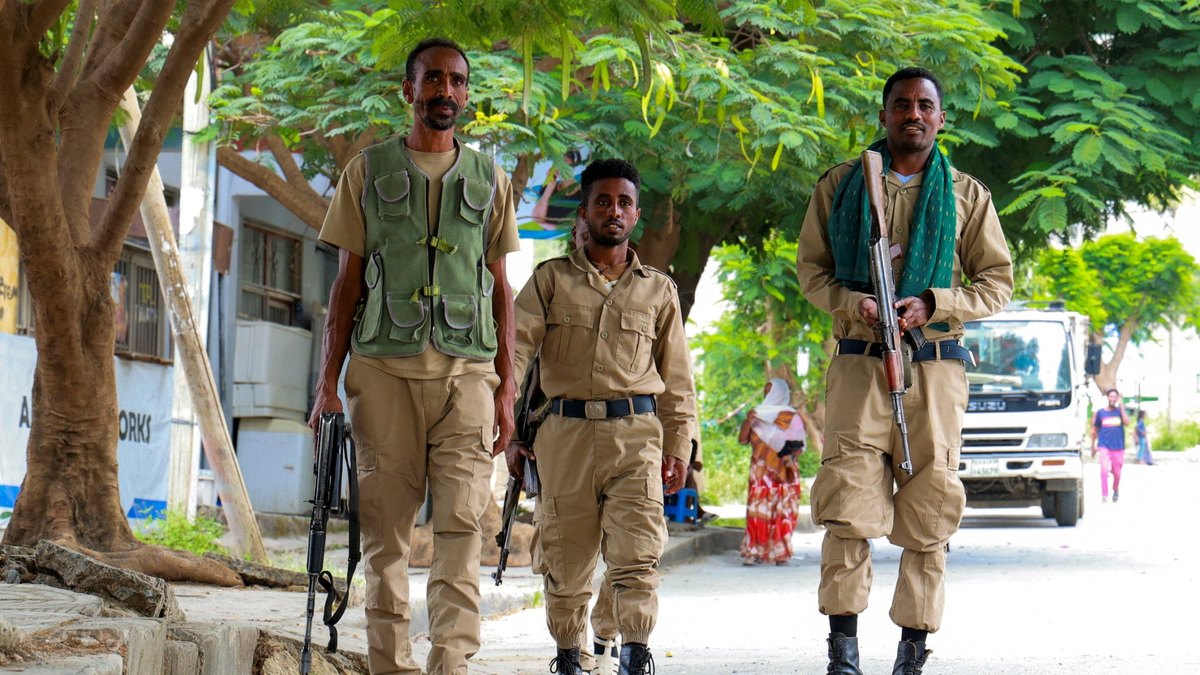
Amniga dalka ayaa aad u adag, iyadoo Juba lagu sameeyay xarumo iyo xad-dhaafyo. Riek Machar, hoggaamiyaha SPLM-IO, wuxuu ku jiraa xabsi guri, isagoo la haystaa dacwadaha dalka iyo dilka.
President Salva Kiir has dissolved South Sudan's transitional unity government and appointed a caretaker administration, ending the power-sharing pact established under the 2018 peace deal as the country moves toward its first national elections.
Decree Ends Power-Sharing Pact
President Salva Kiir signed a decree on Tuesday that dissolved the transitional unity government and removed all vice-presidents, ministers and local administrators appointed under the 2018 peace agreement. The national and state assemblies were also dissolved, while the judiciary and security institutions remain in place. Kiir will stay in office during the election period until a new president is elected.
The decree followed parliamentary approval of amendments to the National Elections Act that permitted Kiir to retain power throughout the election cycle. This legal change means South Sudan can proceed toward elections scheduled for December 22 without first finalising a permanent constitution or conducting a national census, two tasks previously linked to the transition process.
Opposition and Analysts Warn of Unchecked Power
The main opposition alliance has rejected the changes, while Amnesty International described the decree as a decisive step toward elections but urged authorities to ensure a conducive environment for voters. Michael Wani, a lawyer and former constitution drafting committee member, told AFP that Kiir will be the only person in power without vice-presidents, the executive or parliament.
Independent analyst Machot Amuom told AFP there is significant ambiguity in the legal changes, noting the new law gives the president full powers and the ability to delay elections for another year or two. Last week, Kiir replaced the head of the elections commission without explanation, and the opposition alliance remains critical of the move.
Security Tightens as Rival Remains Under Arrest
The political transition is unfolding under tight security, with AFP reporting checkpoints and road closures around the government complex in the capital, Juba, while security personnel were ordered to remain on heightened alert for three days. Kiir's longtime rival Riek Machar, who leads the opposition Sudan People's Liberation Movement-in-Opposition, remains under house arrest on trial for charges including treason and murder, which he denies.
Elections were initially expected in 2022 but have been postponed twice, with the 2018 peace deal following five years of civil war that killed about 400,000 people and displaced millions. Gabriel Bol Deng Majok has been named as the new chief of the elections commission with a fresh mandate to oversee preparations for the polls.
Ilaha iyo xuquuqda sawirka
Sawir: Al Jazeera English Xigasho