
Aqoonsiga Qorshaha Midabka Baraha Adduunka: Midabka Mercator wuxuu noqon doonaa mid ka baxsan
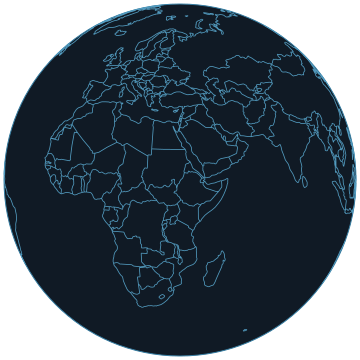
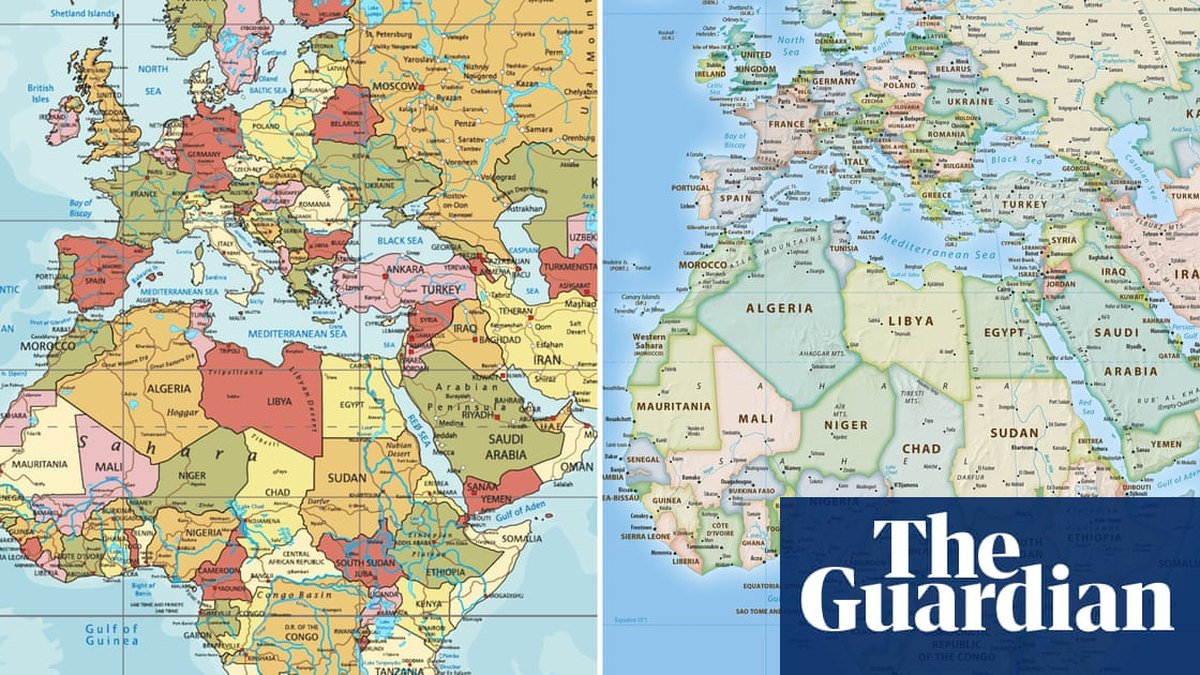
Aqalka Guud ee Qaramada Midoobay wuxuu maanta go'aansaday inuu ka baxo qorshaha Mercator ee adduunka, isagoo doorbidaya midabka 2018-ka ah ee Equal Earth, kaas oo si toos ah u muujinaya meesha Afrika ay ku jirto adduunka. 164 dal ayaa codka kaga bixiyay, halka Mareykanku uu ka hor istaagay.
Go'aanka Aqalka Guud ee Qaramada Midoobay
Aqalka Guud ee Qaramada Midoobay wuxuu go'aansaday inuu ka baxo qorshaha Mercator ee adduunka, isagoo doorbidaya midabka 2018-ka ah ee Equal Earth, kaas oo si toos ah u muujinaya meesha Afrika ay ku jirto adduunka. 164 dal ayaa codka kaga bixiyay, halka Mareykanku uu ka hor istaagay, waxaana la sheegay inuu codka ka bixiyay sababtoo ah wuxuu sheegay in go'aankaasi uu yahay mid aan loo baahnayn.
Go'aankaas waxaa ka mid ah in 6 dal ay ku jiraan, halkaas oo aan waxba ka beddelin. Qorshaha Mercator wuxuu ka yimid 1569-kii, isagoo siinaya in meelaha hoose ee adduunka ay yihiin kuwo yaryar, halkaas oo meelaha sare ee adduunka ay yihiin kuwo weyn. Tani waxay keentay in Afrika loo arko mid yaryar, halkaas oo dhab ahaanteedu ay tahay mid weyn.
Xaqiiqada Afrika iyo Qorshaha Baraha
Qorshaha Mercator wuxuu muujinayaa in Afrika iyo Greenland ay yihiin kuwo isku mid ah, halkaas oo dhab ahaanteedu ay tahay in Afrika ay tahay 14 jeer weyn. Tani waxay keentay in Afrika loo arko mid yaryar, halkaas oo dhab ahaanteedu ay tahay mid weyn. Togo wuxuu hoggaamiyay qorshahan, isagoo ka tirsan Midowga Afrika.
Robert Dussey, wasiirka arrimaha dibadda ee Togo, wuxuu yiri: 'Waxaan u maleynayaa inaanu nahay mid ka mid ah qorshayaasha baraha, waayo waxaan u maleynayaa inaanu nahay mid ka mid ah qorshayaasha baraha, waayo waxaan u maleynayaa inaanu nahay mid ka mid ah qorshayaasha baraha.'
Jawaabta Dalalka iyo Qorshaha Halka Hore
Faransiisku wuxuu go'aansaday inuu ka baxo qorshaha Mercator, isagoo doorbidaya midabka Eckert IV, kaas oo ku dhisan midabka Equal Earth. Wasiirka arrimaha dibadda ee Faransiisku, Jean-Noël Barrot, wuxuu yiri: 'Waxaan go'aansaday inaanu ka baxno qorshaha Mercator, waayo waxaan u maleynayaa inaanu nahay mid ka mid ah qorshayaasha baraha, waayo waxaan u maleynayaa inaanu nahay mid ka mid ah qorshayaasha baraha.'
Togo wuxuu diyaarinayaa shir Lomé, isagoo ka tirsan Midowga Afrika iyo Unesco, si uu uga wada hadlo qorshaha. Kamal Enoch, wuxuu sheegay in qorshahan uu yahay mid ka mid ah qorshayaasha baraha, waayo waxaan u maleynayaa inaanu nahay mid ka mid ah qorshayaasha baraha.
The United Nations General Assembly voted 164 to 6 to adopt a resolution formally retiring the 1569 Mercator projection in favor of the 2018 Equal Earth design, which more accurately reflects the true size of Africa and other equatorial regions.
Vote Outcome and Legal Implications
The resolution passed with 164 countries voting in favor, while only the United States cast a vote against, with its representative describing the measure as 'superfluous'. Six nations abstained from the vote. The resolution is non-enforceable, meaning no country or institution will be mandated to use only the new projection or forbidden from using the old one.
However, the outcome is expected to influence classroom curriculums and everyday technology given the wide usage of the Mercator projection in education, technology and governance. The resolution 'recognises and affirms that disproportionate cartographic representations, particularly those resulting from the Mercator projection, have had lasting cognitive, educational, cultural, geopolitical and socioeconomic effects, contributing to a drastic reduction in the perceived size of Africa and other regions of the world in the global collective imagination'.
The Distortion Problem and African Advocacy
The Mercator projection, introduced by Gerardus Mercator in 1569, makes regions near the equator appear significantly smaller than they are, whereas high-latitude areas look much larger. For example, the map shows Africa as being similar in size to Greenland, but the continent is 14 times larger than the Danish territory. Togo spearheaded a campaign for the resolution on behalf of the African Union.
Robert Dussey, Togo's foreign affairs minister, said: 'This discussion is not a political discussion [but] a scientific discussion, because there is scientific proof so we all have to accept the reality.' He added: 'To those who say why now, I say: why not? When we look at the world map … it is time for us to change the narrative.' He further stated: 'It's time for us in Africa to take responsibility to change what we can change ourselves.'
International Support and Implementation Plans
France's foreign minister, Jean-Noël Barrot, said: '[We] will abandon the Mercator projection in favour of map representations tailored to specific uses, more faithful to actual surface areas and in line with the recommendations of cartographers and scientists.' France will use the Eckert IV projection, which is close to the Equal Earth projection recommended in the resolution.
Togo's government is planning an event in Lomé with Unesco, the African Union and tech brands such as Google Maps during the first quarter of next year to map out the implementation of the resolution. The #CorrectTheMap campaign has more than 11,000 signatures, and the African Union endorsed the campaign in August 2025 and then asked Togo to spearhead its adoption.
Ilaha iyo xuquuqda sawirka
Sawir: The Guardian World Xigasho