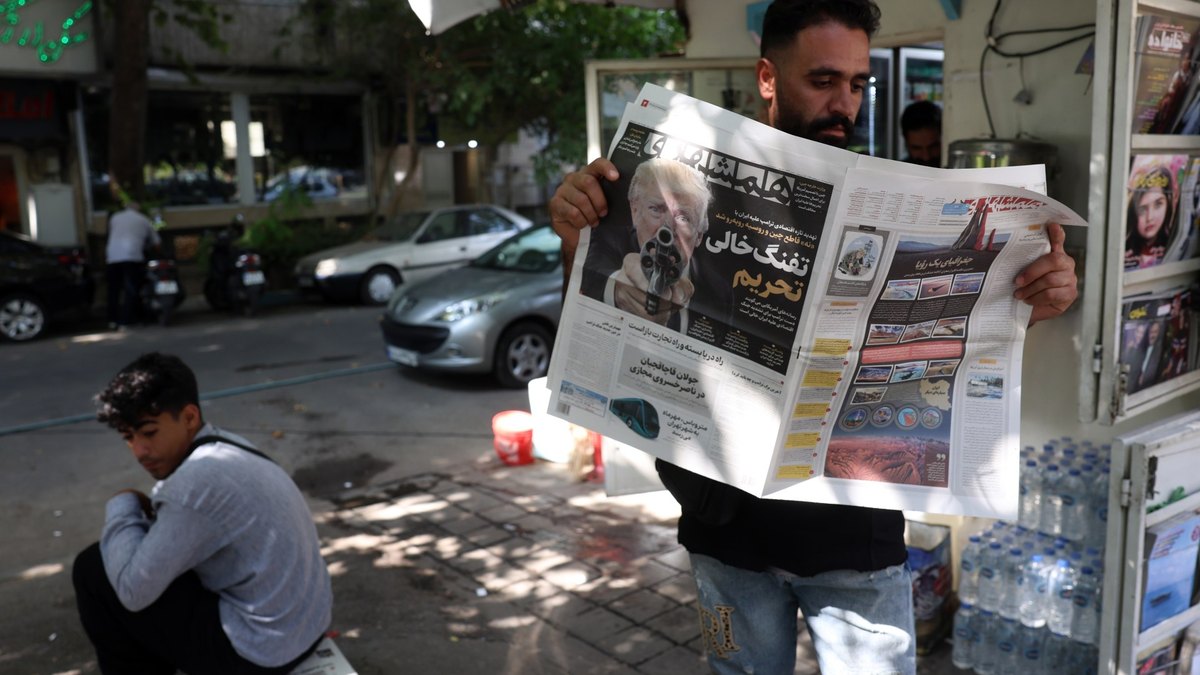
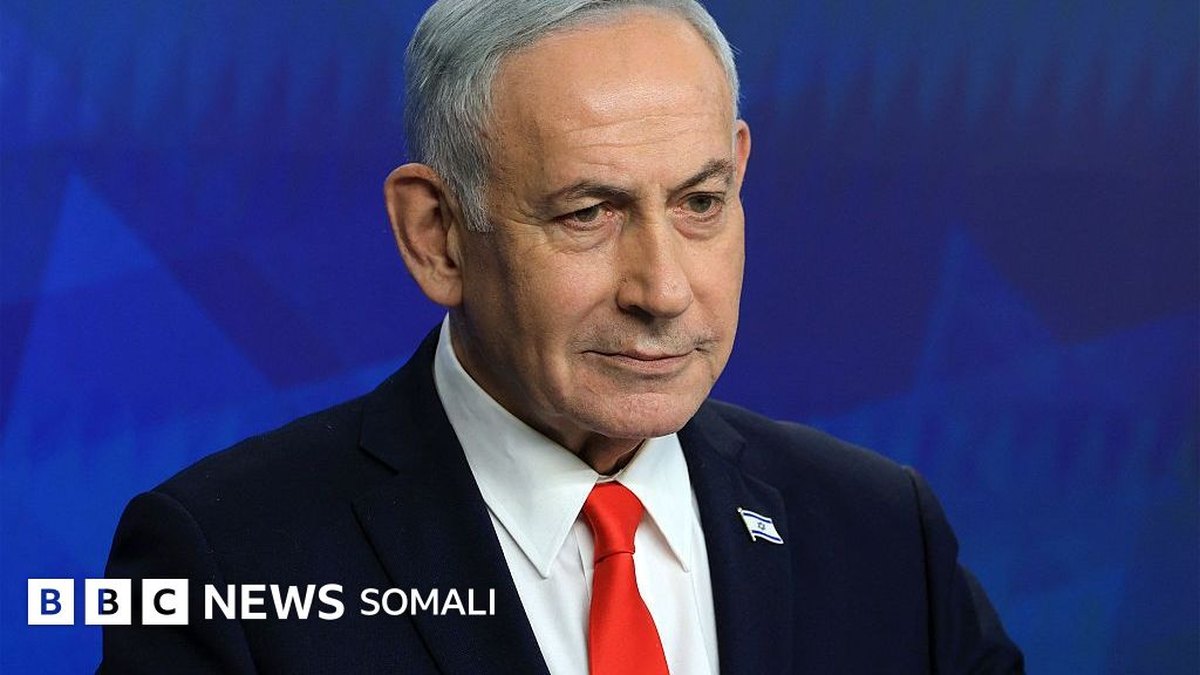
Xiriirka Iran iyo Kuwait Oo Ka Luntay Kalsoonidii Hore
U doodaha Arrimaha Dibadda ee Iran, Esmaeil Baghaei, ayaa usbuucii la soo dhaafay ku eedeeyay Kuwait inay tahay "qayb ka mid ah dabka sharka leh". Kuwait ayaa diiday in maraakiibta Mareykanka ay ka duuleen saliidaha dhulkeeda, waxaana qareenkeeda gaashaandhigga ku tilmaamay ficillada Iran "duullaan dambiileed".
Eedeymo iyo Diidmo Rasmi ah
Baghaei wuxuu sidoo kale sheegay in "Iran ay mar walba u haysay wanaagga derisnimada, laakiin qiiqa aan mahadnaqayn iyo maqnaanshaha aragtida ayaa indhaha kuwa aan mahadnaqinayn indhooleyn doonta". Hadalkani wuxuu ka tarjumayaa xiisad u dhexeysa labada dal muddo kadib markii xiriirkoodu jiray.
Kuwait ayaa si rasmi ah u diiday sheegashada ah in Mareykanku uu duqeymaha ka fuliyay saldhigyada hawada ee dalkooda. Isla markaana qareenka wasaaradda gaashaandhigga Kuwait uu ficillada Iran ku tilmaamay "duullaan dambiileed".
Asalkii Khilaafka iyo Taageeradii Hore
Kuwait waxay la midowday Ciraaq ka dib markii Madaxweyne Saddam Hussein uu duulay Iran 1980. Waxay bixisay taageero maaliyadeed iyo saad midnimo ah, iyadoo amaahiya tiro bilyan doolar ah oo Ciraaq u geysey dagaalka.
Hogaamiyayaashii Kuwait waxay ka baqayeen in kacaankii 1979 ka dib Iran ay xukunkeedu ku fido Khaliijka, iyo inuu kiciyo dadka Shiicada ah ee Kuwait inay kacaan boqortooyada Al-Sabah.
Joogitaanka Mareykanka iyo Heshiisyada Cusub
Maanta waxaa Khaliijka ku yaal 19 saldhig oo Mareykan ah, Kuwait ayaana martigeliya shan ka mid ah, tirada ugu badan ee waddan Midowgi Khaliijka ah, iyadoo 13,500 oo askari Mareykan ah ay degan yihiin. Iran way ka soo horjeedaa saldhigyadaas.
Usbuucii la soo dhaafay Kuwait waxay ansixisay heshiis difaac shan sano ah oo ay la gashay Pakistan, kadib wadahadaladii 2023 ee tababar iyo sirdoon. Madaxweyne Trump wuxuu ku mahadceliyay Kuwait taageeradeeda.
Iran's foreign ministry spokesperson accused Kuwait of being 'part of the fire of the wicked' after Tehran targeted American military bases in the Gulf state, reigniting decades of mistrust rooted in the Iran-Iraq War and the 1990-91 Gulf conflict.
A Rift Over American Military Presence
Iran's Ministry of Foreign Affairs spokesperson, Esmaeil Baghaei, publicly condemned Kuwait on social media, saying the country had betrayed past goodwill. His remarks came as Iranian missiles struck American bases in Kuwait, which host five of the 19 US installations across the Middle East and are home to 13,500 American troops.
Kuwait has denied that the United States launched strikes from its territory, and its defence ministry spokesperson described Iran's actions as 'criminal aggression'. The dispute highlights a deepening divide between Tehran and Gulf states that host US military infrastructure.
Decades of Distrust and the Iran-Iraq War
Relations between Iran and Kuwait deteriorated after Kuwait aligned with Iraq when Saddam Hussein invaded Iran in 1980. Kuwait provided financial and logistical support for the war, including billions of dollars in loans and allowing its port to transport Iraqi weapons and supplies.
Kuwaiti leaders feared Iran's new government might dominate the Persian Gulf after the 1979 Islamic Revolution and incite the country's Shia population to revolt against the Al-Sabah monarchy. During the 1980s war, Iran was blamed for attacks on Kuwaiti oil ships and embassies, though direct state responsibility was never conclusively proven.
The Gulf War and Iran's Humanitarian Role
When Saddam invaded Kuwait in August 1990, over a million people fled to neighbouring countries, and Iran welcomed thousands of refugees, including foreign workers and stateless individuals. Mobile camps were set up in Khuzestan province to provide food, shelter and safe passage.
Before Iraqi forces retreated, they sabotaged Kuwait's infrastructure and ignited over 600 oil wells, creating toxic plumes that reached Iran. Tehran responded by sending 47 oil industry experts to Kuwait, where they successfully capped 28 wells amid unexploded landmines in the Burgan oil field.