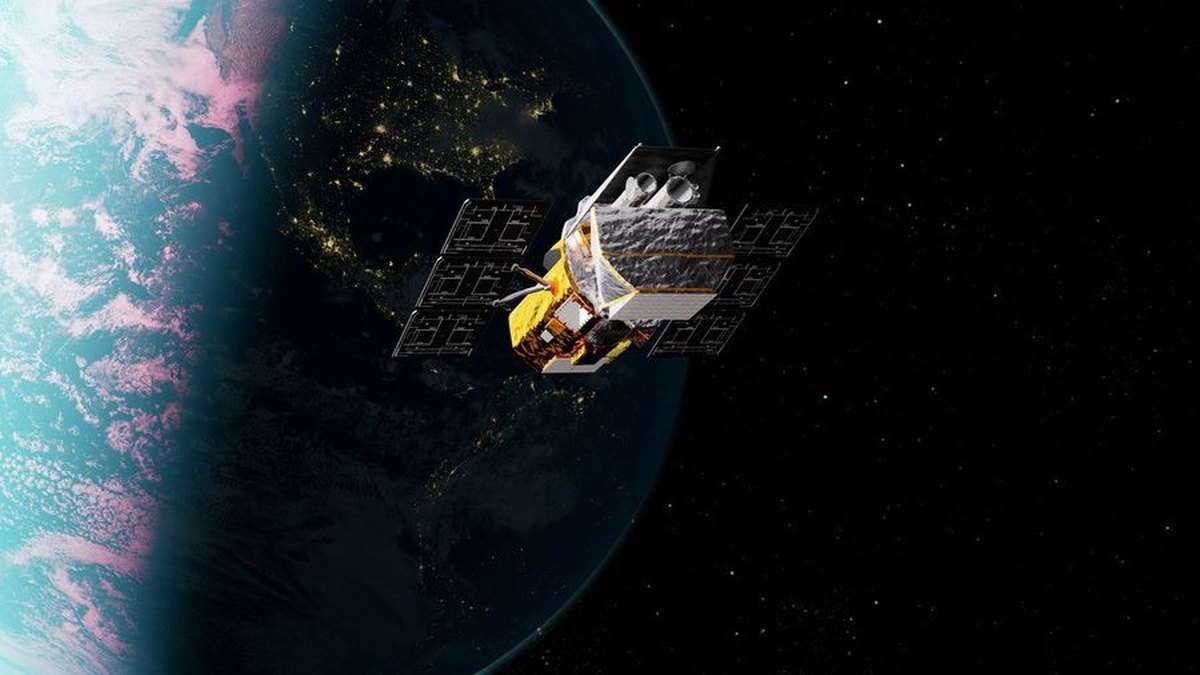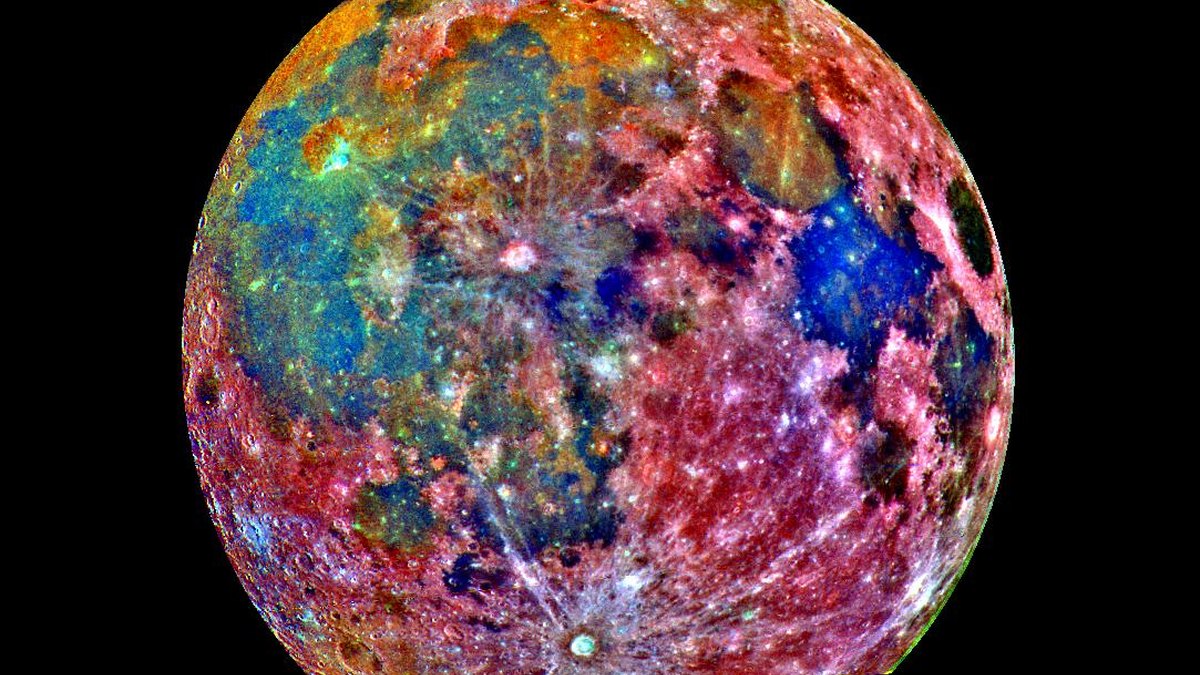
Shirkadda Lunar Station Corp. oo adeegsata xogta NASA si ay u qorsheeyso isticmaalka kheyraadka Dayaxa
Shirkadda Lunar Station Corp. ee fadhigeedu yahay Cambridge, Massachusetts, ayaa adeegsata xogta NASA ee moodallo kumbuyuutar oo kala duwan si loo fahmo qaadashada iyo habaynta kheyraadka Dayaxa. Shirkaddu waxay leedahay 60 sano oo xog ah oo ku saabsan deegaanka Dayaxa.
Kheyraadka iyo Xogta Dayaxa
Dayaxu wuxuu ka kooban yahay kheyraad ay ka mid yihiin biyaha iyo macdanta sida birta iyo titanium-ka. Gerry Sanders, oo ah madaxa nidaamka ka faa'iidaysiga kheyraadka goobta ee NASA's Johnson Space Center ee Houston, ayaa sheegay in helitaanka biyaha goobta Dayaxa uu yahay mid aan si weyn loo aqoon.
Sannadkii 2009, dayax-gacmeedkii Lunar Crater Observation and Sensing Satellite ayaa loo diyaariyay inuu ku burburiyo qaybta sare ee South Pole ee Dayaxa, waxaana falanqaynta qiiqii ka dhashay ay muujisay joogitaanka barafka biyaha. Lunar Station ayaa dhismaysa shaqadaas si ay u caawiso shirkadaha hawada sare.
Barnaamijka MoonHacker iyo Qorshaynta
Barnaamijka MoonHacker wuxuu adeegsadaa nidaam falanqayn juqraafi ah iyo algorithms horumarsan si uu isugu geeyo xogta Dayaxa ee NASA's Planetary Data System, kaas oo caawinaya ogaanshaha calaamadaha godadka yar yar ee biyaha. Tani waxay caawisaa shirkadaha ganacsiga hawada sare.
Lunar Station waxay heli kartaa goobo loogu talagalay landing pads, waddo ugu wanaagsan rovers-ka, iyo wacyigelin xiriir. Blair DeWitt, CEO-ga shirkadda, ayaa yiri: "With 60 years of lunar data available to us, we help our clients understand the environmental factors for any given location on the Moon".
Tiknoolajiyadda NASA ee Dhulka
Gudaha MoonHacker's Radiation Simulator, nooc elegtaroonig ah oo rover ama satellite ah oo loo yaqaan digital twin ayaa la geliyaa shucaaca jidka ama goobta si loo ogaado ilaalinta loo baahan yahay. Tani waxay qayb ka tahay qorshaynta hawlaha shirkadaha.
Barnaamijka NASA's Technology Transfer ee Research and Technology Mission Directorate wuxuu adeegsadaa xalalka hawada sare si nolosha Dhulka loo wanaajiyo. Muddo 50 sano ah, NASA waxay dukumiintisay faa'iidada tiknoolajiyadda hawada sare ee buugga Spinoff.
Lunar Station Corp. is leveraging decades of NASA data to help commercial space companies plan lunar missions, from identifying water ice deposits to mapping safe landing sites and communication relay strategies across the Moon's challenging terrain.
Mapping the Lunar Surface
Lunar Station Corp., based in Cambridge, Massachusetts, is using NASA's Ames Stereo Pipeline to build detailed 3D terrain maps of the Moon. The open-source tool automatically processes images from satellites, robotic rovers, and historical archives to reveal rock placement and elevation across the lunar landscape.
The company has access to 60 years of lunar data, which CEO Blair DeWitt says helps clients understand the environmental factors for any given location on the Moon. This vast dataset is critical for planning where to land and how to extract resources like water and minerals such as iron and titanium.
Finding Water Ice on the Moon
The availability of in-situ lunar water resources at any location remains largely unknown, according to Gerry Sanders, a capability lead at NASA's Johnson Space Center in Houston. To address this gap, the Lunar Crater Observation and Sensing Satellite was designed to crash its upper stage into the Moon's South Pole in 2009, and the resulting plume revealed the presence of water ice.
Lunar Station is building on that work through its MoonHacker program, which uses proprietary geospatial analytics and advanced algorithms to fuse all lunar data in NASA's Planetary Data System. The system helps identify indicators for shallow pits of lunar water, a key resource for future mining operations.
Mission Planning and Radiation Safety
Lunar Station can help clients find sites for landing pads, cultivate the best paths for roving, and inform them about communications challenges. DeWitt noted that in polar regions or on the far side of the Moon, where Earth is not visible, a relay strategy must be developed, and NASA data plays a key role in this planning.
The MoonHacker program also includes a Radiation Simulator that subjects a digital twin of a company's rover or satellite to radiation conditions en route or at the mission site. This allows engineers to determine the protection required before committing to a lunar landing.