Dayax-gacmeedka ESCAPADE ee NASA oo qaaday sawirro cusub oo Dhulka iyo Dayaxa ah
Sawirrada infrared-ka kulaylka iyo iftiinka muuqda ee laga qaaday meel 363,250 mayl u jirta Dhulka
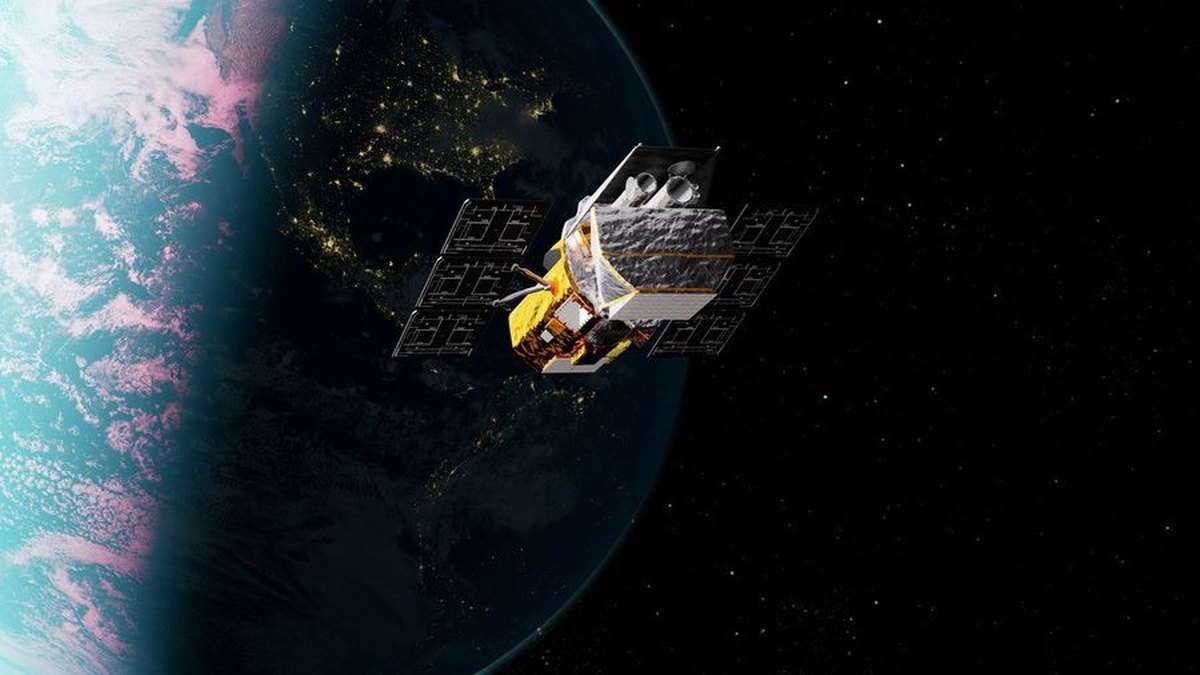
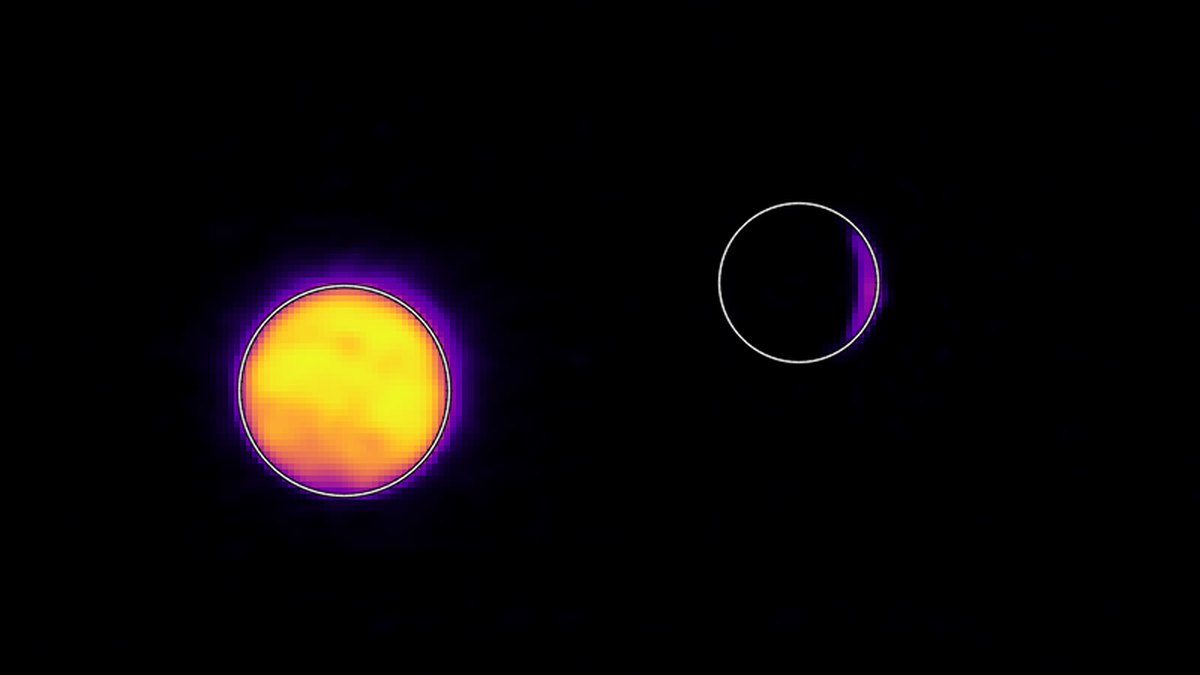
Maalintii 3aad ee July, mid ka mid ah labada dayax-gacmeed ee ESCAPADE ee loo diray Mars ayaa qaaday sawirro ka mid ah Dhulka iyo Dayaxa oo ku jira iftiin muuqda iyo infrared kulayl. Waqtigaas dayax-gacmeedku wuxuu joogay 363,250 mayl (584,600 km) oo ka yimid Dhulka.
Sawirrada iyo heerkulka laga arkay
Sawirka iftiinka muuqda wuxuu muujinayaa Dhulka iyo Dayaxa oo qaab waxyar u eg, iyadoo qiyaastii 8% oo kaliya oo wajiga mid kasta ah uu iftiimay qorraxdu. Tani waxay ka turjumaysaa in qorraxdu ay qayb ahaan iftiimisay jirkooda.
Marka la eego infrared-ka kulaylka, badhtamaha hooska ah ee Dhulka waxaa nalaya kulaylkiisa oo ka yimid ogsijiinta iyo dusha, isagoo dhalaalaya inta u dhaxaysa -10 ilaa -44 Fahrenheit (250 ilaa 280 kelvin). Dayaxana dhinaciisa fog wuxuu joogaa -280 F (100 K).
Aaladda sawirka iyo hadalka baaraha
Howlgalka ESCAPADE wuxuu adeegsaday kamaradaha Nidaamka Indho-indheynta Muuqda iyo Infrared-ka ee ay bixisay Jaamacadda Waqooyiga Arizona ee Flagstaff si loo qaado sawirradaas. Rob Lillis waa baaraha ugu sarreeya ee howlgalka.
Lillis wuxuu yiri: "We are thrilled that ESCAPADE was able to accommodate these excellent space-qualified cameras which will search for visible Martian aurora and investigate thermal properties of the Martian surface and atmosphere." Wuxuu intaa ku daray in tani ay ahayd tijaabo qalin.
Jihada mustaqbalka ee Mars
Dayax-gacmeedyada ay dhisay Rocket Lab hadda waxay ku sugan yihiin meere-gacmeed 'loiter' ah oo u dhow Lagrange point 2, qiyaastii hal malyuun mayl u jirta Dhulka. Noofambar 2026 ayay Dhulka ag marayaan si ay xagal ugu tuuraan Mars.
Sebtembar 2027 markay yimaadaan, waxay darsayaan sida durdurka qorraxda ee 1 malyuun mayl saacaddii u socda uu la falgalaa deegaanka Mars oo kala go'aanshaha hawada cas. Howlgalka waxaa maalgelisay Qaybta Heliophysics.
Images taken on July 3 support camera calibration ahead of Mars mission
On July 3, one of NASA's two Mars-bound ESCAPADE spacecraft photographed Earth and the Moon in visible and thermal infrared light. The craft was 363,250 miles from Earth and 115,600 miles from the Moon, making the Moon appear relatively large in the frame.
Crescent Views and Heat Signatures
The visible light image shows both bodies as crescents, with only around 8% of each face sunlit. The limited sunlight exposure reflects the spacecraft's vantage point during the July 3 observation of the Earth-Moon system.
In the thermal infrared image, Earth's shadowed hemisphere glows from its own heat at minus 10 to minus 44 degrees Fahrenheit. The Moon's far side remains much cooler at minus 280 degrees Fahrenheit, lacking oceans and atmospheres as insulation.
Mission Context and Camera Calibration
The ESCAPADE mission used Visible and Infrared Observation System cameras from Northern Arizona University in Flagstaff. Rob Lillis, principal investigator at UC Berkeley, said the imaging provides an important calibration check for the cameras on known targets.
Lillis stated: "Since Earth and the Moon are well-known targets, imaging them provides an important calibration check for ESCAPADE’s cameras." The spacecraft were built by Rocket Lab and now sit in a loiter orbit near Lagrange point 2, about a million miles from Earth.
Path to Mars and Scientific Goals
In November 2026, the spacecraft will fly by Earth to use gravity to slingshot toward Mars, arriving in September 2027. They will study solar wind interaction with Mars and how it drives atmospheric loss at the planet.
The mission is funded by NASA's Heliophysics Division under the Small Innovative Missions for Planetary Exploration program. UC Berkeley's Space Sciences Laboratory leads it with partners including Rocket Lab and NASA Goddard.