Suuqa Guryaha ee Qaranka Oo Hoos U Dhacaya Iyadoo Qiimayaasha July Ay Diiwaan Galeen Hoos U Dhac Weyn
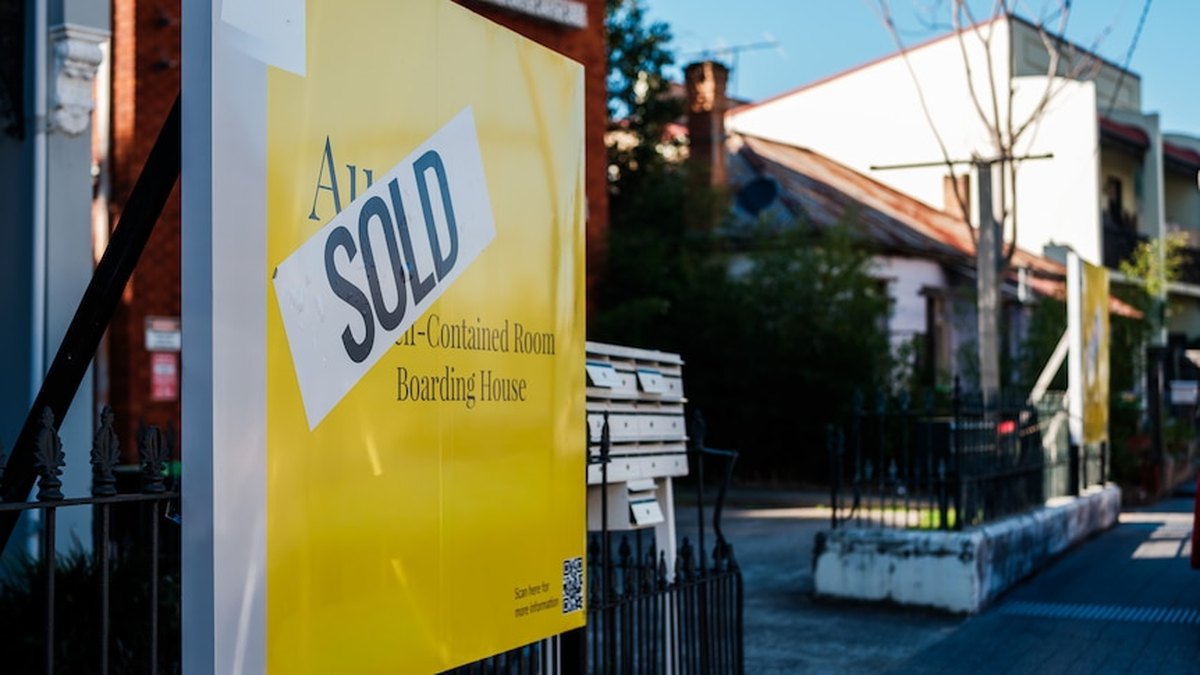
Suuqa guryaha ee qaranka ayaa hoos u dhacaya meelo badan, iyadoo Brisbane iyo Adelaide ay diiwaan geliyeen hoos u dhac qiimeed bishii July. Qiimayaasha qaranka ayaa hoos u dhacay 0.7 boqolkiiba, taasoo ah hoos u dhaca ugu weyn tan iyo December 2022.
Faafitaanka Hoos U Dhaca iyo Qiimayaasha Magaalooyinka
Downturn-ka suuqa guryaha hadda ma koobna Sydney iyo Melbourne, laakiin wuxuu gaaray Brisbane iyo Adelaide oo bishii July hoos u dhacay 0.6 iyo 0.2 boqolkiiba siday u kala horreeyaan. Waa bishii labaad oo isku xigta ee hoos u dhaca labada magaalo kadib dib-u-eegis Cotality sameysay xogtii June.
Perth waxay heshay kordhin yar oo ah 0.1 boqolkiiba kadib hoos u dhac 0.5 boqolkiiba ee June, halka Darwin ay kortay 0.8 boqolkiiba. Gerard Burg wuxuu yiri: "There's been a really rapid deterioration in conditions in Brisbane, which I think has probably been the most surprising trend that we've seen over the last couple of months" (c5, q1).
Falanqaynta Sababaha Hoos U Dhaca
Falanqayaasha ayaa sheegay in seddex kor u qaadis oo rate ah oo RBA iyo isbeddello canshuur dowladeed ay kiciyeen daciifnimada suuqa. Burg wuxuu darso: "It is continuing to have an effect because these policy issues can take time for people to really process the change and consider what's happening" (c2, c7, q6).
Alan Oster wuxuu aaminsan yahay in daciifnimada ay badan tahay kor u kaca interest-ka: "I think it's mainly the higher interest rates". Wuxuu intaa ku daray: "And then you've got issues about negative gearing which people get nervous about and they worry that that's going to cause the market further problems. But ultimately to me, this is an interest rate effect" (c8, q8, q10).
Saadaasha Suuqa iyo Shaqo-la'aanta
Heerka shaqo-la'aanta hadda waa 4.4 boqolkiiba. Oster wuxuu digay in haddii uu gaadho 5 boqolkiiba ay suurtagal tahay hoos u dhac 10 ilaa 15 boqolkiiba: "You can't say exactly, but I think you'd probably be expecting 10 to 15 per cent fall". Wuxuu yiri RBA ayaa gooyn doonta rate-ka (c9, c10, q12, q13).
Burg wuxuu dooday in arrimo taageera sida shaqo-la'aanta hooseysa ay xannibi doonaan hoos u dhac weyn: "This could be perhaps a prolonged, but not necessarily enormously deep downturn in values across the country". Wuxuu xusay koritaanka dadweynaha iyo dhibaatada dhismaha (c11, q17).
Analysts link weakening property values to rate hikes and tax changes while warning on unemployment risk
Australia's housing downturn widened beyond Sydney and Melbourne in July, with Brisbane and Adelaide both recording price declines. National property values fell 0.7 per cent, the steepest monthly drop since December 2022, as analysts cited rate and tax pressures.
Market decline reaches more cities
The national housing market weakened further in July as Brisbane prices fell 0.6 per cent and Adelaide dropped 0.2 per cent, marking a second straight month of declines after Cotality revised June data. Perth rose 0.1 per cent after a revised 0.5 per cent June fall, while Darwin gained 0.8 per cent.
In Brisbane, total sale stock was about 25 per cent below the five-year average in February but now sits roughly 6 per cent above it. Cotality's Gerard Burg said: "There's been a really rapid deterioration in conditions in Brisbane, which I think has probably been the most surprising trend that we've seen over the last couple of months." (c6, q1)
Causes cited by analysts
Analysts attribute the softness to three RBA rate hikes and government tax changes. Burg said negative gearing and capital gains tax shifts contributed, adding: "It is continuing to have an effect because these policy issues can take time for people to really process the change." (c2, c7, q6)
NAB's former chief economist Alan Oster argued the weakness is mostly rates. He said: "I think it's mainly the higher interest rates." Oster also noted: "There's a little bit of uncertainty about whether [the Reserve Bank] might even do more [rate hikes]." He views the effect as primarily an interest rate impact. (c8, q8, q9)
Outlook and unemployment risk
The current unemployment rate is 4.4 per cent. Oster warned that a rate above 5 per cent could bring a 10 to 15 per cent correction from the peak, saying: "I think if there was a 5 in front of [the unemployment rate], that's getting very close to a recession." (c9, c10, q11, q12)
Burg expects a milder path, citing low unemployment and population growth. He said: "This could be perhaps a prolonged, but not necessarily enormously deep downturn in values across the country." He added new construction difficulty limits forced sales and deeper price drops. (c11, q14, q17)