Faa'iidada Saudi Aramco oo kor u kacday 33 boqolkiiba iyadoo marin-biyoodka Hormuz laga maray
Shirkadda saliidda ee Saudi Aramco ayaa soo warisay in faa'iidadeedu kordhay 33 boqolkiiba rubucii labaad ee sanadka, iyadoo dakhligeeda la hagaajiyey uu gaaray $33.4bn marka loo eego $25.2bn sano ka hor. Korodhkan ayaa dhacay intii u dhaxaysay bilaha Abriil ilaa Juun.
Saamaynta Dagaalka iyo Qiimaha Saliidda
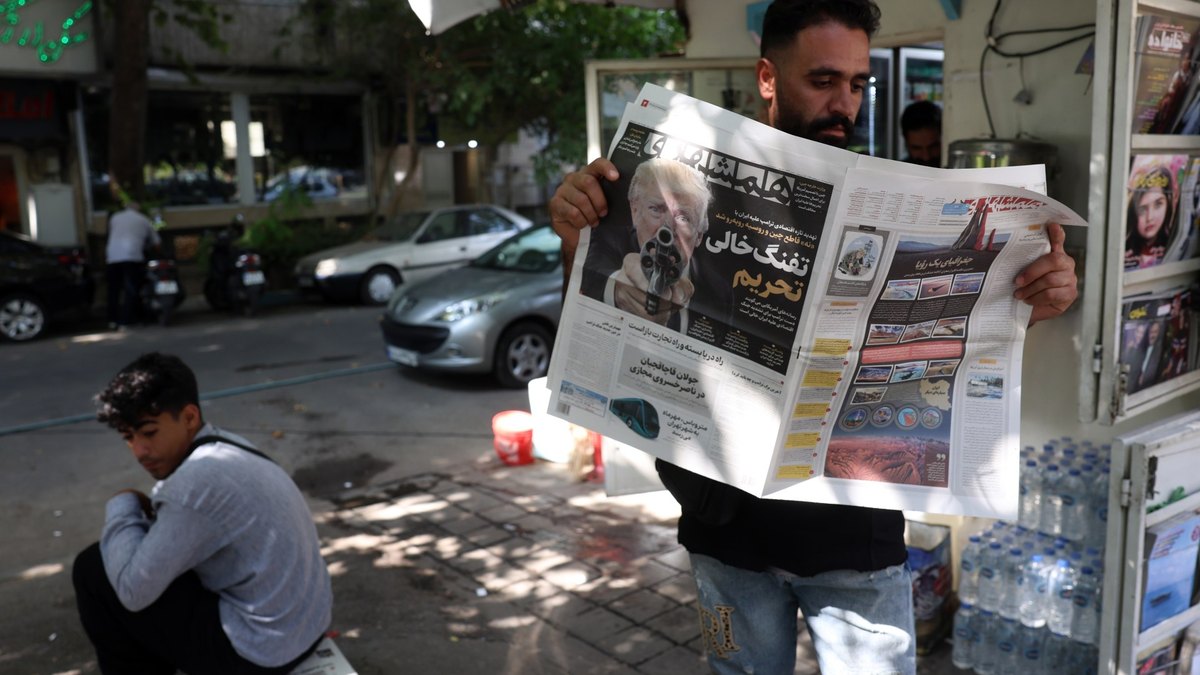
Iran waxay isku dayaysaa inay maamulkeeda saarto marin-biyoodka Hormuz, waxayna weerartay doomayaal badan oo mara biyaha Oman. Maraykanku wuxuu duqeeyay Iran, taasoo keentay in Tehran ay bartilmaameedsato wadamada Khaliijka, gaar ahaan Kuwait iyo Bahrain.
Dagaalku wuxuu keeday in Brent, oo ah halbeegga caalamiga ah, uu ka sareeyo $100 foosto bishii May iyo July. Qiimayaasha shidaalka sida naaftada, shidaalka diyaaradaha iyo baatiniga ayaa si weyn u kordhay, halka Iraq, Kuwait, Bahrain iyo Qatar ay joojiyeen ama yareeyeen raritaankooda tamarta.
Dhismaha Dhul-marinka iyo Qorshayaasha Wadamada
Saudi Arabia waxay dhoofin kartaa qiyaastii laba-meelood saddexaad oo ah awooddeedii saliidda ka hor dagaalka, iyadoo u mahadcelinaysa Dhul-marinka East-West ee ku xira beeraha saliidda ee bari iyo dekadda Red Sea ee Yanbu. Dhul-marinkani wuxuu noqday tusaale loogu talagalay wadamada kale.
UAE waxay dhisaysaa dhul-marinka labaad ee Fujairah si ay u mareyso Hormuz, taasoo labanlaabaysa awoodda dhoofinta 2027. Iraq waxay heshiis la gashay Syria bishii July si loo dayactiro dhul-marinka beeraha waqooyi ilaa xeebta Mediterranean.
Hadallada Mas'uuliyiinta iyo Suuqa Caalamiga ah
Amin Nasser, oo ah agaasimaha Saudi Aramco, ayaa xusay muhiimadda dhul-marinka: 'Despite the unprecedented supply disruption through the Strait of Hormuz, we continued to demonstrate our ability to maintain business continuity by capitalising on our diverse asset base and multi-decade planning, including strategic infrastructure such as the East-West Pipeline, storage capacity, and export terminals.'
Trump wuxuu yiri: 'Chevron: too much money. ExxonMobil: too much money. They're going to give some of that back to the public and they better cut the retail price, the consumer price.' Scott Bessent ayaa Tuesday sheegay in Maraykanka iyo Iran ay u dhow yihiin heshiis xabbad-joojin ah.
Saudi Aramco reported a 33 percent surge in adjusted net income to $33.4bn in the second quarter, driven by soaring energy prices and its ability to export oil through the East-West Pipeline while the Strait of Hormuz remains disrupted by the US-Iran conflict.
Aramco's Q2 Earnings Beat Amid Regional Turmoil
Saudi Aramco's adjusted net income rose to $33.4bn in the second quarter, up from $25.2bn a year ago, marking a 33 percent increase as the company capitalised on elevated oil prices. The second quarter runs from early April to the end of June, a period marked by intense geopolitical instability in the Persian Gulf region.
CEO Amin Nasser highlighted the company's resilience, stating: 'Despite the unprecedented supply disruption through the Strait of Hormuz, we continued to demonstrate our ability to maintain business continuity by capitalising on our diverse asset base and multi-decade planning, including strategic infrastructure such as the East-West Pipeline, storage capacity, and export terminals.' The pipeline has been central to Aramco's strategy to maintain operations despite the ongoing conflict.
Strait of Hormuz Disruption and Regional Pipeline Alternatives
Iran has attempted to assert control over the Strait of Hormuz, attacking dozens of vessels transiting through Oman's territorial waters, while the US has conducted bombardments against Iran. In response, Tehran has targeted Gulf states, particularly Kuwait and Bahrain, forcing Iraq, Kuwait, Bahrain, and Qatar to cancel or massively curb energy shipments. The conflict drove Brent crude above $100 per barrel in May and again in July.
Saudi Arabia has been able to export around two-thirds of its pre-war oil capacity thanks to the East-West Pipeline, which connects eastern oil fields to the Red Sea port of Yanbu. This infrastructure has become a model for other Middle Eastern states, with the UAE building a second pipeline to Fujairah to double its export capacity by 2027, and Iraq signing a deal with Syria to rehabilitate a pipeline to the Mediterranean coast.
Global Oil Giants Profit While Trump Demands Price Cuts
The war has benefited other major energy companies, with ExxonMobil's profits doubling from a year earlier and Chevron recording its highest quarterly earnings on record. However, President Trump has expressed frustration over high gasoline prices, stating: 'Chevron: too much money. ExxonMobil: too much money. They're going to give some of that back to the public and they better cut the retail price, the consumer price.'
Brent crude has dropped about eight percent to $79 per barrel since Sunday, after Trump retreated from his threat to unleash the 'biggest' bombing campaign since WWII on Iran. Meanwhile, US Treasury Secretary Scott Bessent said on Tuesday that the US and Iran were close to a deal to stop fighting and reopen the Strait of Hormuz, offering a potential path to stabilising energy markets.