Kumaan Muhaajiriin Ah Oo Weli Ku Sugan Ceuta Kadib Dhibaatadii Soohdinta
Hoggaamiyaha deegaanka ayaa sheegay in 3,000 ilaa 5,000 qof ay weli joogto, iyadoo dhibaatadu ay keentay xiisad midowga Yurub.
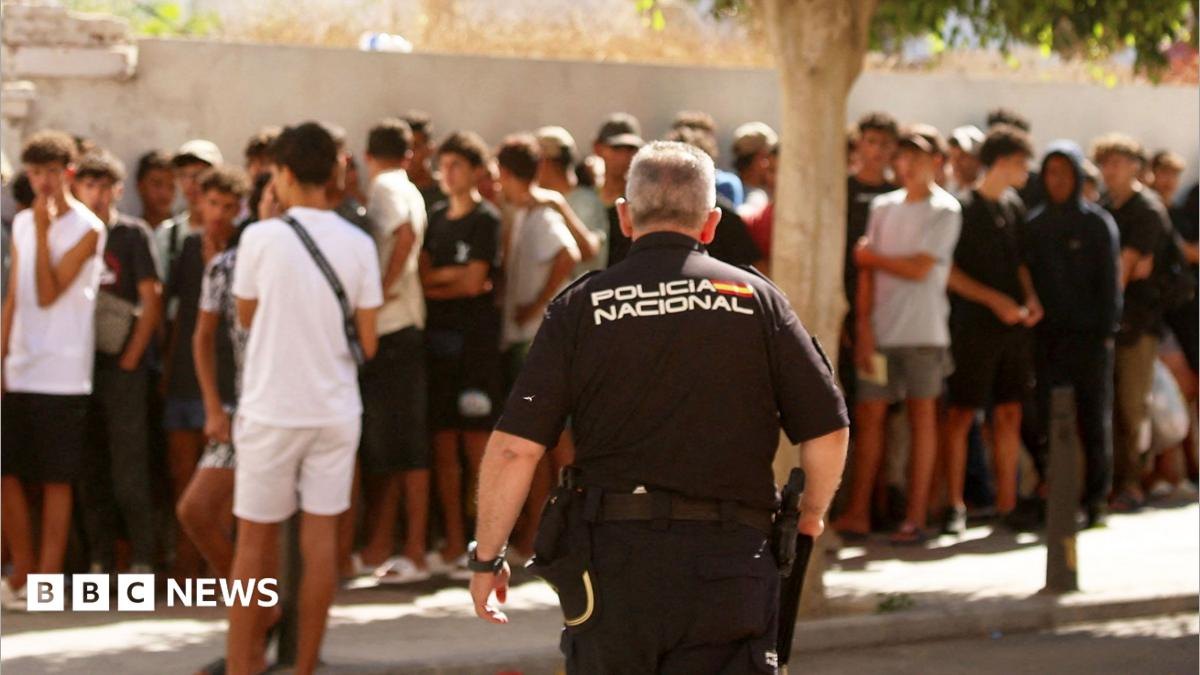
U dhexeeya 3,000 iyo 5,000 muhaajiriin ayaa weli ku sugan dhulka Isbaanishka ee Ceuta ka dib imaatinka tobanaan kun oo qof oo xilligii la soo dhaafay yimid, ayay xaqiijisay hoggaamiyaha gobolka. Tani waxay dhacday kadib qiyaastii 78,000 oo qof oo xeebta ka yimid.
Dhibaatooyinka Bani'aadamnimo iyo Ammaanka
Intii lagu jiray saacado kooban, qiyaastii 78,000 muhaajiriin oo deriska Morocco ay xeebta ka yimaadeen ayaa keentay 100 dhimasho, sida uu sheegay Juan Jesús Vivas. Wuxuu ku tilmaamay 'profound sorrow' iyo 'irreparable tragedy' markii uu la hadlay baarlamaanka Yurub.
Kuwii ku soo noqday Morocco waxay gaadheen 75,000, laakiin Vivas wuxuu yiri xaaladdu si buuxda uma aanay caadi noqon. Wuxuu carrabka ku dhufaday in 'deterrent element of the system collapsed and the dam gave way, not under the weight of the criminals, but of a judge's decision'.
Carruurta iyo Kaalmada Dowladda
Wasiirka arrimaha gudaha Isbaanishka wuxuu sheegay in dowladda ay qoondeysay €25m (£21.4m; $28.8m) oo loogu talagalay caawinta carruurta Ceuta. Laakiin wargeyska El Mundo ayaa weriyay in 4,860 cunug muhaajiriin ah ay diiwaangeliyeen kooxo tabaruceyaal ah.
Ilaa hadda, ma jirto cunug muhaajiriin ah oo loo raray dhul-weynaha Isbaanishka, maadaama mas'uuliyiinta maxalliga ah ee garabka midig ahi aysan doonayn inay aqbalaan. Tani waxay ka dhalatay xaalad aan sidaa u sii jiri karin.
Falcelinta Yurub iyo Morocco
Guddoomiyaha Guud ee Socdaalka EU, Magnus Brunner, wuxuu soo jeediyay in shabakadaha dambiilayaasha ah ee faafiya xogta been abuurka ah ay sababtay dhibaatada. Wuxuu yiri EU waa 'ready to do more' laakiin codsi dheeraad ah kama helin.
Italy ayaa hakiysay heshiiskii Schengen ee Spain iyadoo Finland iyo Denmark ay taageerayaan, Czech Republicna ugu baaqday gudi ku meel gaar ah. Morocco ayaa eedeeyay maxkamadda sare ee Spain, halka warbaahintu ay sheegayso baaqyo cusub oo tallaabo.
Between 3,000 and 5,000 migrants remain in the Spanish territory of Ceuta after roughly 78,000 people arrived by sea last week, a local leader said, expressing profound sorrow over 100 deaths and an ongoing humanitarian emergency.
Humanitarian Emergency Persists in Ceuta
Ceuta's mayor-president Juan Jesús Vivas told the European Parliament that the return of nearly 75,000 migrants to Morocco had considerably alleviated the situation, but the territory has not yet returned to normal. He described the crisis as an unequivocal attack and said it was basically impossible to return minors who crossed without their consent.
Spain's interior minister said the government had allocated €25m to assist minors in Ceuta, yet Spanish newspaper El Mundo reports that 4,860 migrant children have been registered by volunteer groups, double official estimates. No children have been moved to mainland Spain, with right-wing local authorities reluctant to take them in.
Diplomatic Rifts and Blame Game Among EU Nations
The Ceuta crossings have caused a diplomatic rift among EU nations sharing open borders as part of the Schengen area. Italy suspended its Schengen arrangement with Spain, backed by Finland and Denmark, while the Czech Republic called for Spain's membership to be temporarily suspended.
EU Migration Commissioner Magnus Brunner said the EU should use all leverage, including visa policy and trade, to secure cooperation from Morocco on migration. He said the EU was ready to do more in Ceuta but had not received a further request for EU border guards from the Spanish government.
Morocco Blames Spain's Supreme Court; New Crossings Feared
Morocco has laid blame for the crisis on Spain's Supreme Court, with a government source stating the deterrent element of the system collapsed under the weight of a judge's decision rather than criminals. Moroccan media is reporting fresh online calls to coordinate another mass border-crossing attempt.
EU Migration Commissioner Magnus Brunner suggested criminal networks spreading disinformation were to blame, an assertion Spanish Prime Minister Pedro Sánchez has agreed with. Spain's interior minister said he was working firmly with Morocco to avoid further violations and that any migrants still in Ceuta would be returned as soon as possible.